

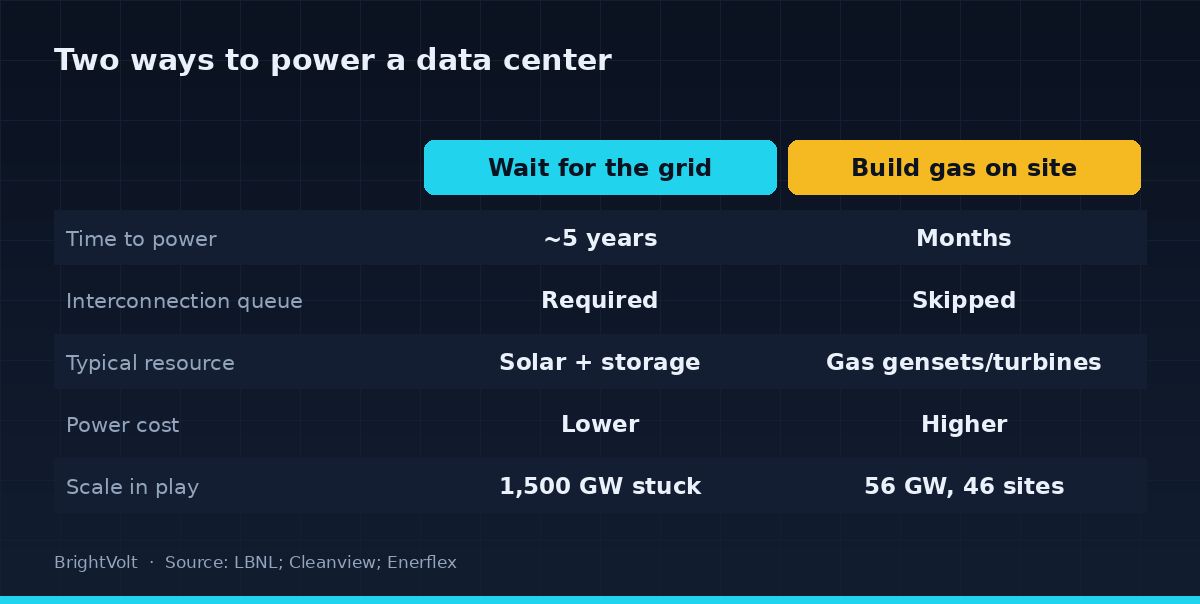
Data centers in the United States are building their own power plants, and roughly three-quarters of that on-site generation is natural gas. The obvious read is that gas has out-competed solar and batteries for the AI boom. It hasn’t. Gas is winning because it can be switched on now, while more than 1,500 gigawatts of cheaper clean energy sits in a grid queue it cannot get out of.
That distinction matters, because the two stories point to opposite fixes. If gas is genuinely the better way to power a data center, the grid is doing its job and the market has spoken. If gas is only the faster way, then the thing being revealed is not a fuel preference but a broken interconnection process — and the cure is to fix the queue, not to pour concrete for forty years of combustion.
The number that looks like a gas comeback
The source of the “gas is back” story is a good piece of work. Cleanview tracked equipment deals and permits rather than press releases and identified 46 US data centers planning to build their own power behind the meter, a combined 56 GW — about 30% of all planned US data-center capacity, with 90% of it announced in 2025 alone. Of the generation equipment it could actually pin down, about 75% — roughly 23 GW — was natural gas. The financial press drew the straight line: RBC Capital Markets titled a note “natural gas powers the data center boom.”
As a description of what data centers are buying, that is correct. As an explanation of why, it is missing the whole mechanism.
What the queue actually holds
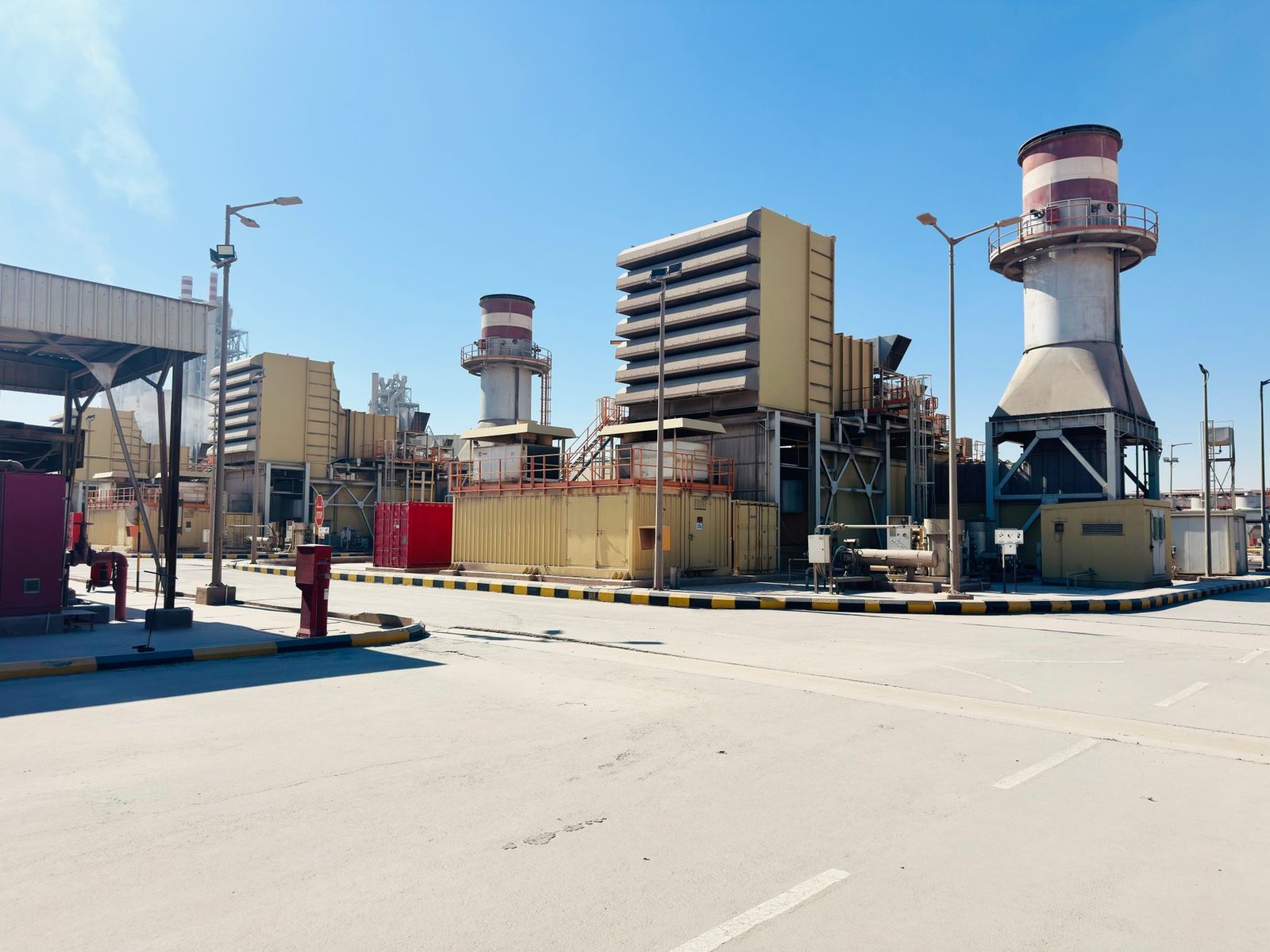
Look at what wants to connect to the grid, and the gas comeback shrinks. Lawrence Berkeley National Laboratory’s Queued Up 2026 counted 2,061 GW of capacity actively seeking interconnection at the end of 2025 — more than the entire existing US generating fleet. Solar accounts for 773 GW of it and storage for another 749 GW, almost all of that batteries. Gas is 253 GW.
Gas in the queue did jump 86% in a year, and that rise is the single most-quoted statistic behind the comeback narrative. But 86% off a small base is still a small base. Solar and storage together outweigh queued gas by roughly six to one, and they are what developers are trying to build. The queue is not short of clean electrons. It is short of a way to connect them.
The clock, not the merit
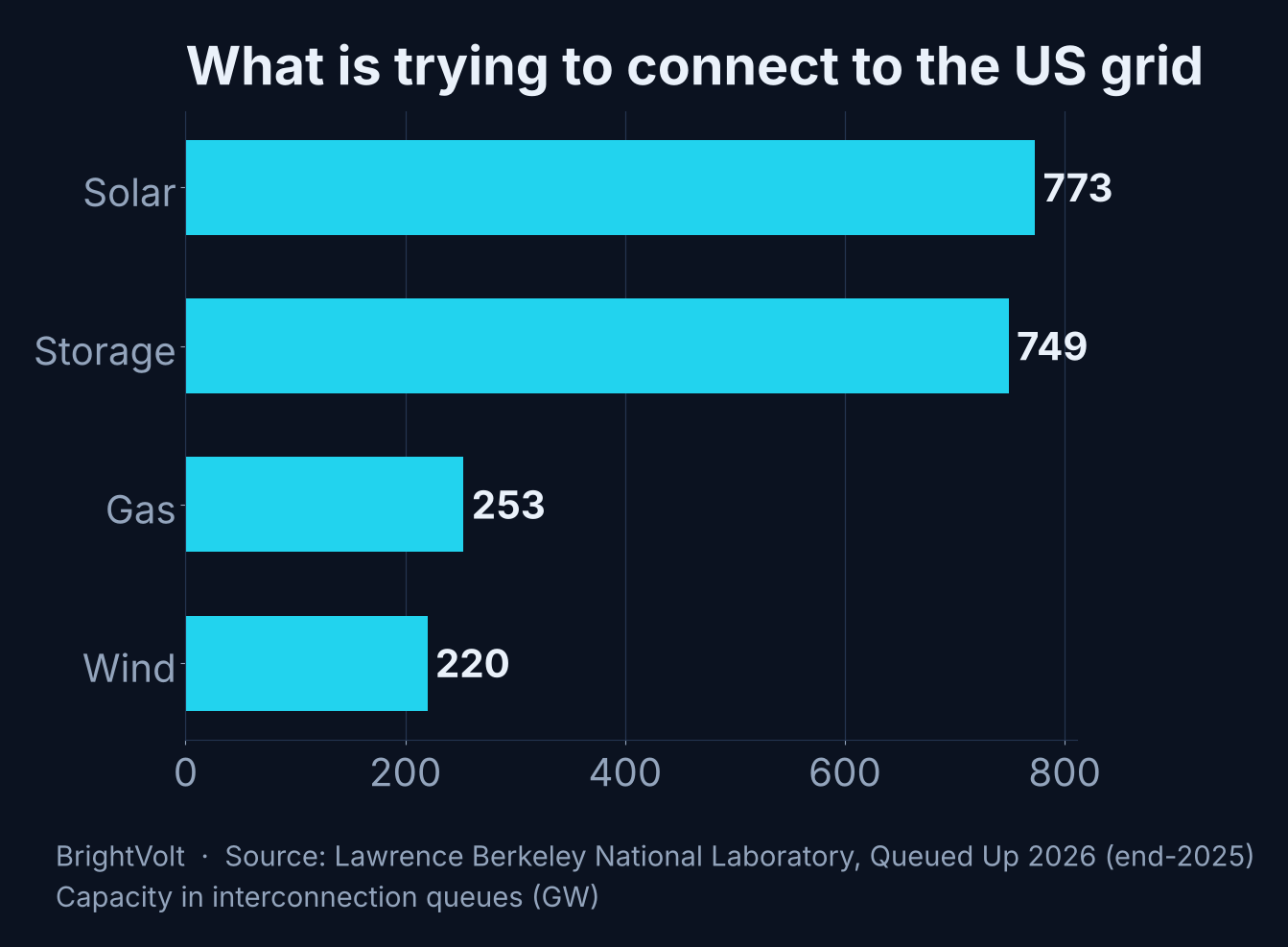
Here is the part the fuel-preference story cannot explain. The median project that reached commercial operation in 2025 took 61 months from its interconnection request — up from 36 months a decade earlier and 22 months in 2008. Of all the capacity that asked to connect between 2000 and 2020, only 13% has been built; three-quarters was withdrawn. In 2025 the queues turned over about 2% of their volume. A pipeline that delivers one part in fifty a year is not a pipeline. It is a waiting room.
A hyperscaler cannot wait five years in that room. An AI data center can earn on the order of $10–12 billion per gigawatt, so arriving two years early is worth almost any premium on the power itself. That is the actual decision being made, and the gas kit the sites are choosing gives it away: mobile generators strapped to semitrucks, aeroderivative turbines borrowed from aircraft and warships, fast-ramping reciprocating engines, refurbished industrial turbines. These are, in Cleanview’s own words, less efficient technologies that will cost far more to run. Nobody buys a truck-mounted generator because it produces the cheapest kilowatt-hour. They buy it because it can be installed this year.
The vendors say so out loud. When Enerflex announced on 13 October 2026 that its behind-the-meter power backlog had passed 1.75 GW on the back of a gigawatt-scale data-center award, its chief executive sold the product as “reliable, prime power that does not require grid connection.” Not cleaner power. Not cheaper power. Power that skips the line.
The gas that isn’t quite a comeback either
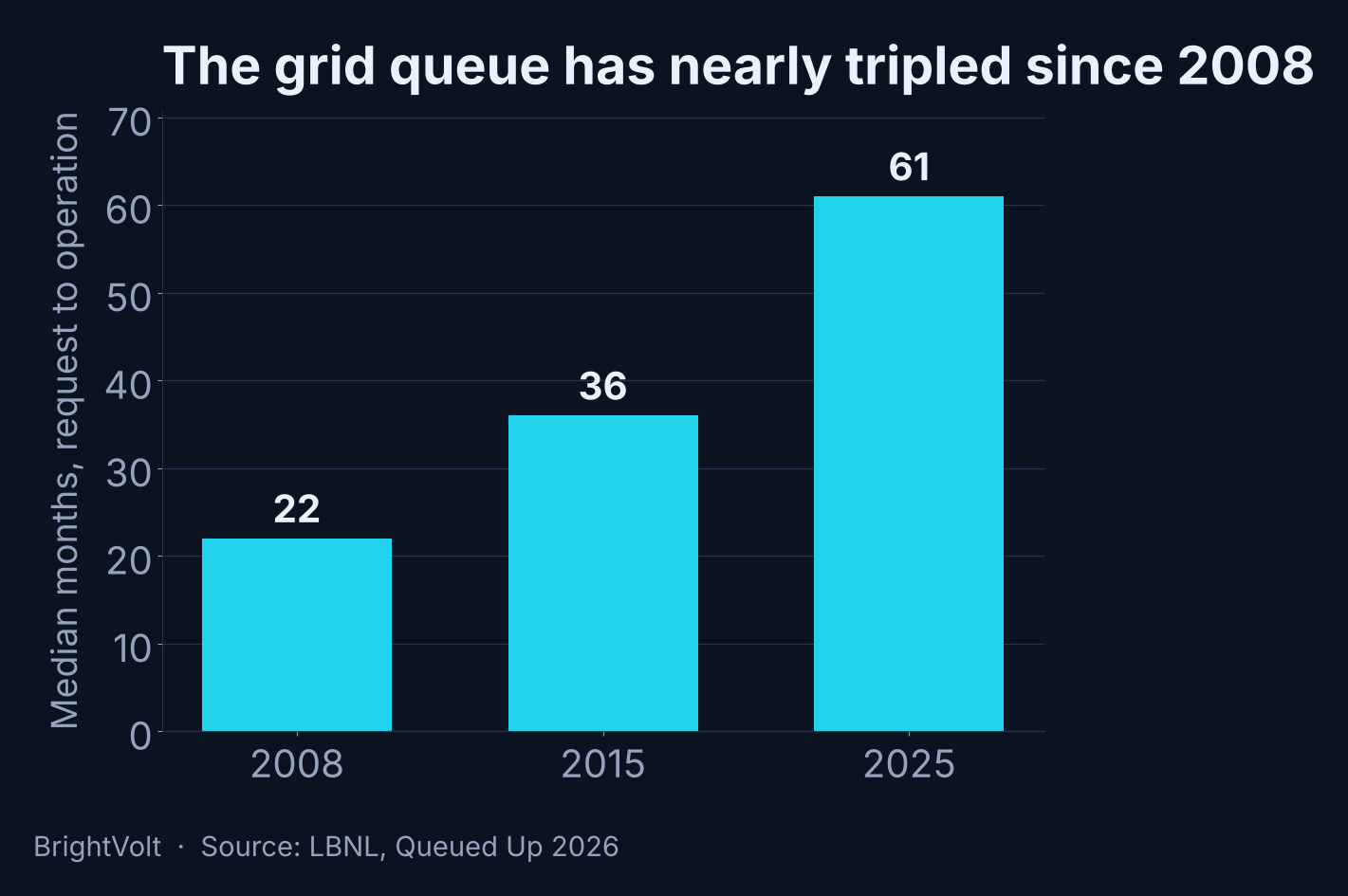
Even the gas boom is shakier than the headline backlog suggests. GE Vernova’s turbine order book is mostly sold out through 2028, with the company taking 2029 slots — a figure often cited as proof of a gas supercycle. But as of late 2025 only about a tenth of GE Vernova’s firm turbine orders went to hyperscalers, rising to roughly a third of the earlier-stage reservations. Its own gas-power chief has said data centers are a minority of the demand; the bulk is reshoring and broad electrification. And reservations are not plants. Cleanview, which is bullish that much of the behind-the-meter capacity will get built, still flags the “phantom project” problem — developers routinely announce several sites intending to finish one. Some meaningful slice of both the turbine book and the 56 GW will never run.
The honest version, then, is narrower than either camp claims. Gas is not sweeping the grid; the grid is still adding mostly solar and storage, with S&P Global expecting over 90 GW of new US capacity in 2026 led by exactly those two. What gas is sweeping is the one corner of the market where speed beats everything and the queue can be bypassed entirely.
The strongest case for the gas, and why it loses
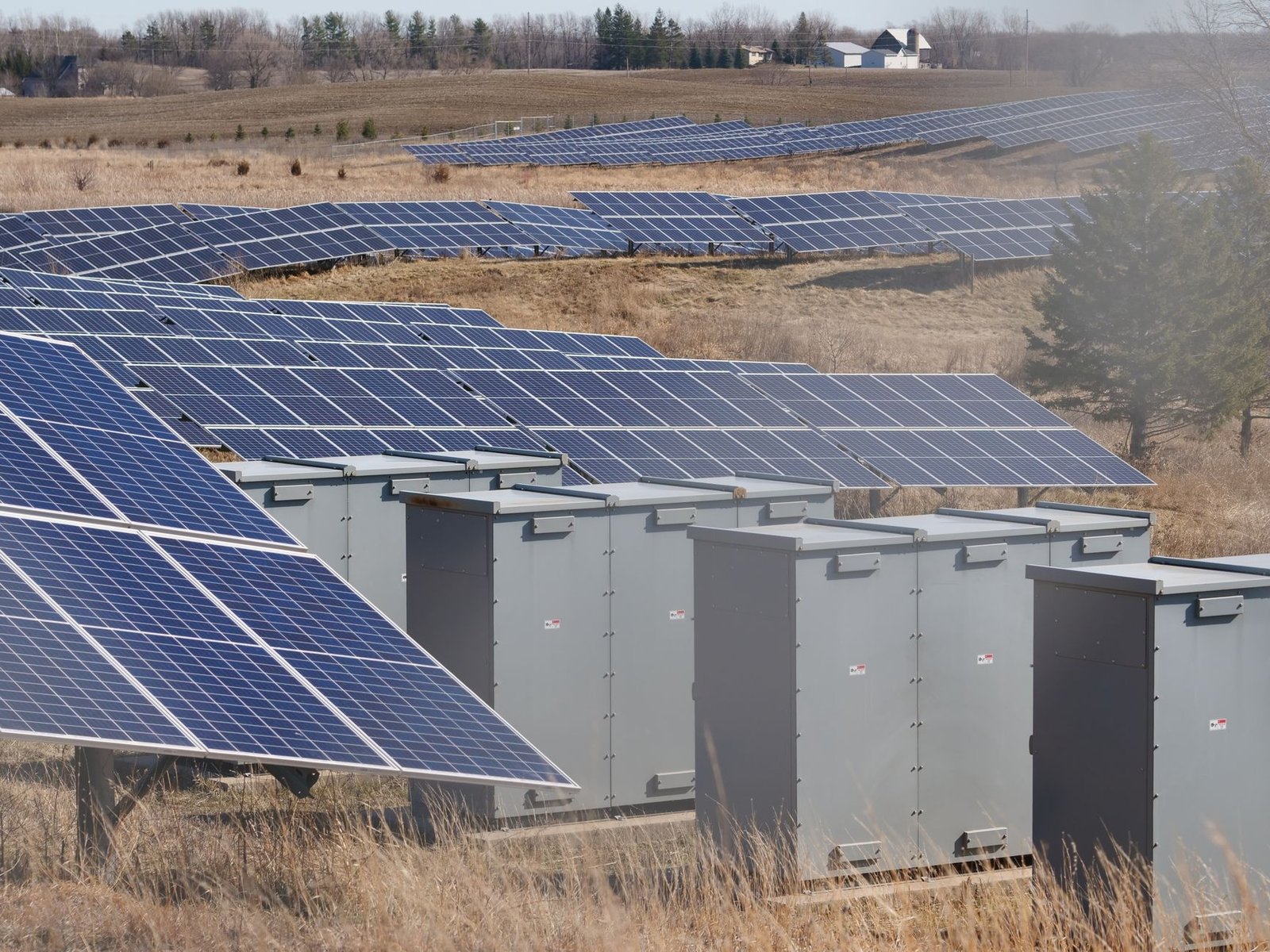
The case for on-site gas is real and worth stating at its strongest. Data centers need firm, round-the-clock power, and assembling that from solar and batteries at gigawatt scale on a single campus is genuinely hard — the footprint is large and the engineering is young. The load is coming whether the grid is ready or not, and a megawatt delivered this year is worth more than a cleaner one promised in 2031. On its own terms, that argument is correct.
It just is not an argument about gas. It is an argument about time, and it resolves the same way for every resource: whoever can connect fastest wins. Right now that is a diesel-grade gas genset, because interconnection reform — FERC’s Order 2023 cluster studies chief among it — has barely begun to bite, and because on-site solar-plus-storage is still treated as exotic rather than standard. Fix the first and scale the second, and the speed advantage that is carrying gas evaporates.
So here is the test, and the thing that would change our mind. If interconnection timelines fall back toward two years and behind-the-meter solar-plus-storage matures, and data centers still choose gas, then gas has won on merit and we are wrong. Until then, every “data centers pick gas” headline is reporting the symptom of a queue that takes five years to connect the cheapest power ever built — and calling it a preference. Watch two things: whether the “temporary” gas quietly becomes permanent, which is how a speed workaround turns into decades of locked-in emissions, and how much of that 56 GW turns out to have been phantom all along. One of those is a policy failure. The other is just a press release.
Photo by panumas nikhomkhai on Pexels · Photo by Mumtaz Niazi on Pexels · Photo by Giant Asparagus on Pexels