
Wind Power
Wind is the mature end of the renewables build, which makes its problems the more interesting ones: auction design that leaves capacity unbuilt, turbine supply chains with multi-year lead times, and the widening gap between offshore ambition and offshore financing.
Policy has lately added a stranger question — governments paying developers to cancel leases rather than build them. We cover onshore and offshore wind, generation records, and the capacity-accreditation arguments that decide how much a wind farm counts for when a grid plans ahead.
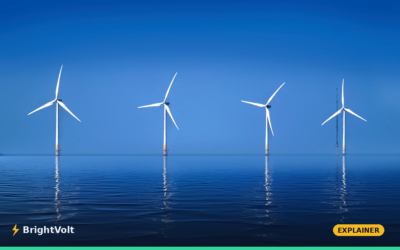
Contracts for Difference: The Two-Way Clean-Power Deal
A contract for difference fixes the price a wind or solar farm is paid, and pays money back to consumers when the market runs above it. In Britain’s 2021-23 price spike, that returned around £660m.
Australia’s First Offshore Wind Auction: A 2 GW Long Bet
Victoria has opened Australia’s first offshore wind auction for 2 GW off Gippsland — but contracts land in 2028 and power in the 2030s, on the priciest wind there is.

US Wind and Solar Overtook Nuclear in the First Half of 2026
US wind and solar generated about 420 TWh in the first half of 2026 — a fifth of the country’s electricity and more than nuclear — even as Washington moved to repeal the credits that built it.
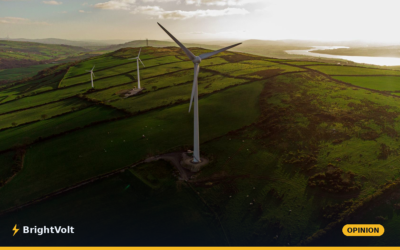
The BrightVolt Take: Australia’s Wind Gap Is the Real Story
Australia connected a record 9.1 GW of clean generation and storage in FY26 — and just 0.2 GW was wind. AEMO needs 18 GW of it by 2030. The record is how the target gets missed.
The BrightVolt Take: Negative Bidding Broke Offshore Wind
Germany raised €12.6bn selling seabed with no subsidy in 2023, then drew zero bids in 2025. Its August 2026 draft law bolts contracts for difference back on. Zero-subsidy offshore wind is over.
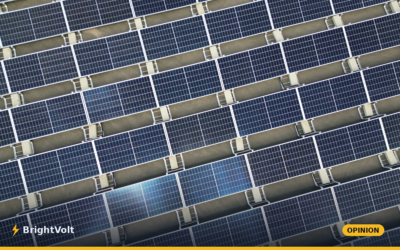
The BrightVolt Take: Solar’s Record Half Is Already the Past
US wind and solar passed both coal and nuclear in the first half of 2026 — 420 TWh, 20% of the grid. But that record was locked in before July’s subsidy cliff. Watch construction starts, not output.
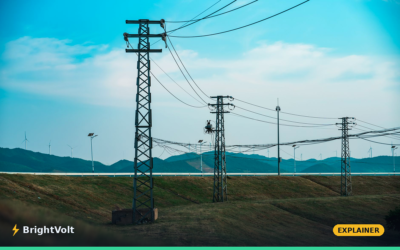
Capacity Accreditation Explained: Why a 100 MW Wind Farm Counts as 34 MW
Grids pay generators for a promise to show up when it matters, and ELCC decides how much of your nameplate counts. It is why PJM’s wind accreditation fell to 34% while four-hour storage rose to 59%.
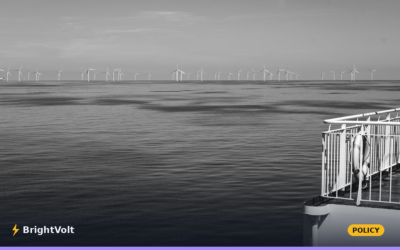
The US Is Paying $4 Billion to Cancel Offshore Wind
Washington agreed to pay RWE $1.22bn to drop 5.8 GW of offshore wind, bringing the buyback total to nearly $3.9bn — during a declared national energy emergency.
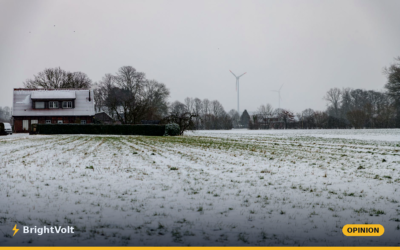
The BrightVolt Take: Storage Just Overtook Wind on Winter
PJM credited onshore wind at 41% of nameplate and a four-hour battery at 50% for 2026/27. In the 2028/29 auction it was wind 34% and storage 59%. The lines have crossed.
BrightVolt
News / Reviews/ Insights on all things Electric and alternative enegry
Contact
info@brightvolt.net
Advertising
Advertsing: ads@brightvolt.net
Public Relations: pr@brightvolt.net
Copyright © 2025 BrightVolt ®