
Oct 22, 2026 | Policy & Regulations, Renewable Energy, Smartgrids
Behind the meter, gas is winning the AI power race. The US grid will add a record 86 GW of capacity in 2026, and only 6.3 GW of it is natural gas — a result we read as gas losing back in August. That reading was right about the grid. It missed a second power system...
Oct 22, 2026 | Home Electrification, Policy & Regulations, Renewable Energy, Smartgrids
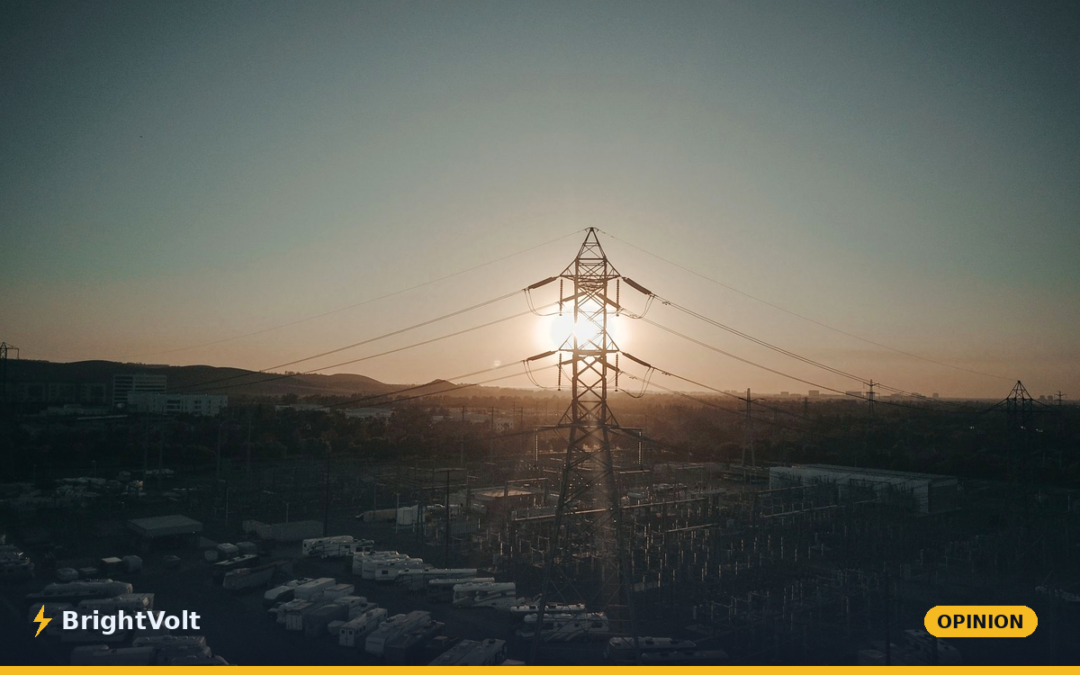
France has run up roughly 800 hours of negative or zero wholesale electricity prices in 2026, an all-time high — and already more than the whole of 2025 with a quarter of the year still to run. The government’s answer, fleshed out this month, is the right one....

Oct 21, 2026 | Battery Technology, Policy & Regulations, Renewable Energy, Smartgrids
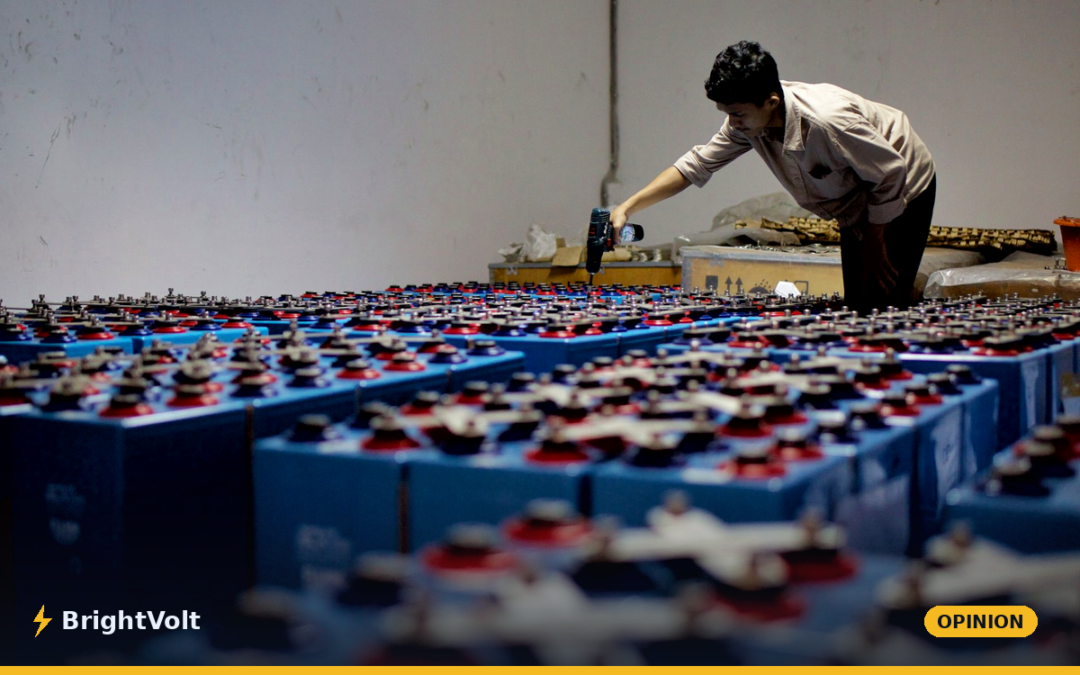
Data centers in the United States are building their own power plants, and roughly three-quarters of that on-site generation is natural gas. The obvious read is that gas has out-competed solar and batteries for the AI boom. It hasn’t. Gas is winning because it...
Oct 21, 2026 | Battery Technology, Renewable Energy, Smartgrids
The United States installed a record 18.9 gigawatt-hours of battery storage in the second quarter of 2026 — and 7% less power than it did a year earlier. Both figures come from the same Wood Mackenzie and American Clean Power report, and both are true, because they...
Oct 21, 2026 | Policy & Regulations, Renewable Energy, Smartgrids
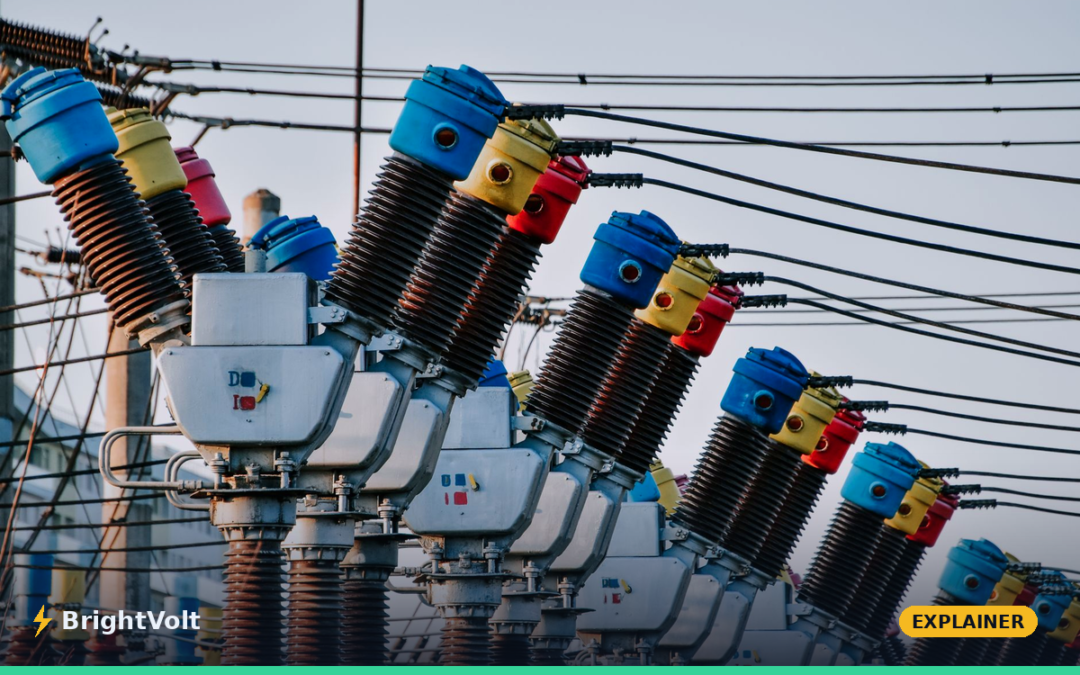
Load factor is your average electricity demand divided by your peak demand over a period — a number between zero and one. A 24/7 data centre runs about 0.88; a restaurant about 0.32. It is the single figure that predicts how much of an electricity bill is demand...

Oct 21, 2026 | Renewable Energy, Smartgrids, Solar
On October 1, China connected a solar plant that keeps generating after the sun goes down. The 1 GW project at Talatan, in Qinghai, pairs 900 MW of ordinary photovoltaics with a 100 MW tower that stores eight hours of heat in molten salt, and PowerChina expects it to...
