
Renewable Energy
Generation is no longer the hard part. Solar and wind are the cheapest new capacity in most markets, and in 2026 they make up the overwhelming majority of what actually connects to grids — around 79 GW of the 86 GW being added in the United States alone.
The hard parts have moved downstream: what the power is worth when everyone generates at the same moment, whether the wires exist to move it, and how much firm capacity a variable resource can be credited with. BrightVolt covers wind, solar, hydro, grids and home electrification with those questions in front.

The BrightVolt Take: Gas Is Winning Behind the Meter
On the public grid, gas is a rounding error: 6.3 GW of 86 in 2026. But US data centres have quietly lined up ~90 GW of on-site gas that never enters the interconnection queue.
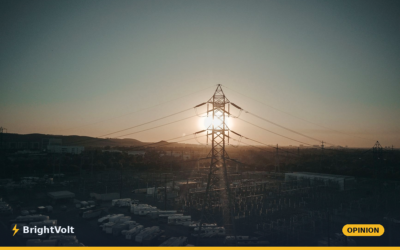
The BrightVolt Take: France’s Fix for Too Much Solar
France has hit a record ~800 hours of negative or zero power prices in 2026. Its answer isn’t more storage – it’s moving heat pumps, EVs and industry into the midday sun, by mandate.

The BrightVolt Take: Data Centers Pick Gas to Skip the Queue
US data centers are building 56 GW of their own power, about three-quarters of it gas. Not because gas beat solar and storage – because gas can skip a five-year grid queue holding 1,500 GW of cleaner power.
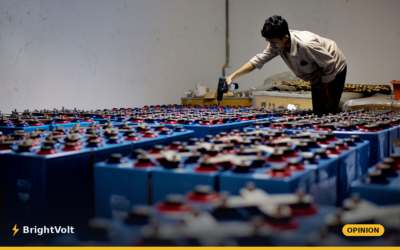
The BrightVolt Take: Storage’s GWh Record Hides a GW Stall
The US set a battery-storage record in Q2 2026 – 18.9 GWh – but installed power fell 7%. The fleet is getting longer, not bigger, and for the grid that distinction decides who keeps the lights on.
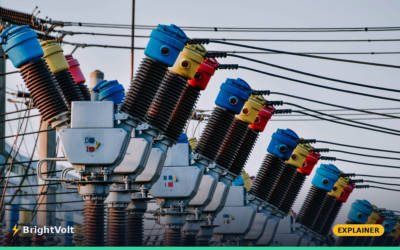
Load Factor: the Metric Behind Your Demand Charge
Load factor is average demand divided by peak demand: a data centre runs about 0.88, a restaurant 0.32. It is the number that decides how much of a power bill is demand charges – and what a battery can cut.

China’s Molten-Salt Bet: Solar That Runs After Dark
China just grid-connected a 1 GW solar plant that runs after dark, storing eight hours of heat in molten salt instead of lithium – the firming trick the West wrote off.
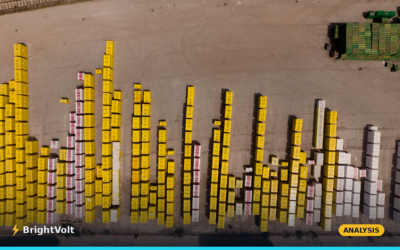
Australia’s Battery Revenue Halved. Then Came the Spike
New South Wales grid batteries earned an estimated AU$5.63m in two hours as prices hit AU$23,107/MWh — even as Australia’s quarterly battery revenue halved year-on-year.

South Africa Orders 4.6 GW of Batteries, No New Solar
South Africa’s first procurement off its new energy plan orders 4,600 MW of batteries and 5,000 MW of gas-to-power — and zero new wind or solar. The reason is a grid with too much power, not too little.
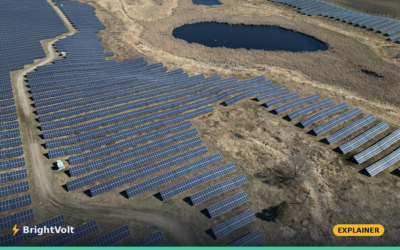
Must-Run Generation: the Fossil Floor That Spills Solar
A coal plant can’t switch off at midday – below about a third of its output it goes unstable. That must-run floor, not a lack of wires, is why a sunny grid spills solar instead of coal.
BrightVolt
News / Reviews/ Insights on all things Electric and alternative enegry
Contact
info@brightvolt.net
Advertising
Advertsing: ads@brightvolt.net
Public Relations: pr@brightvolt.net
Copyright © 2025 BrightVolt ®