
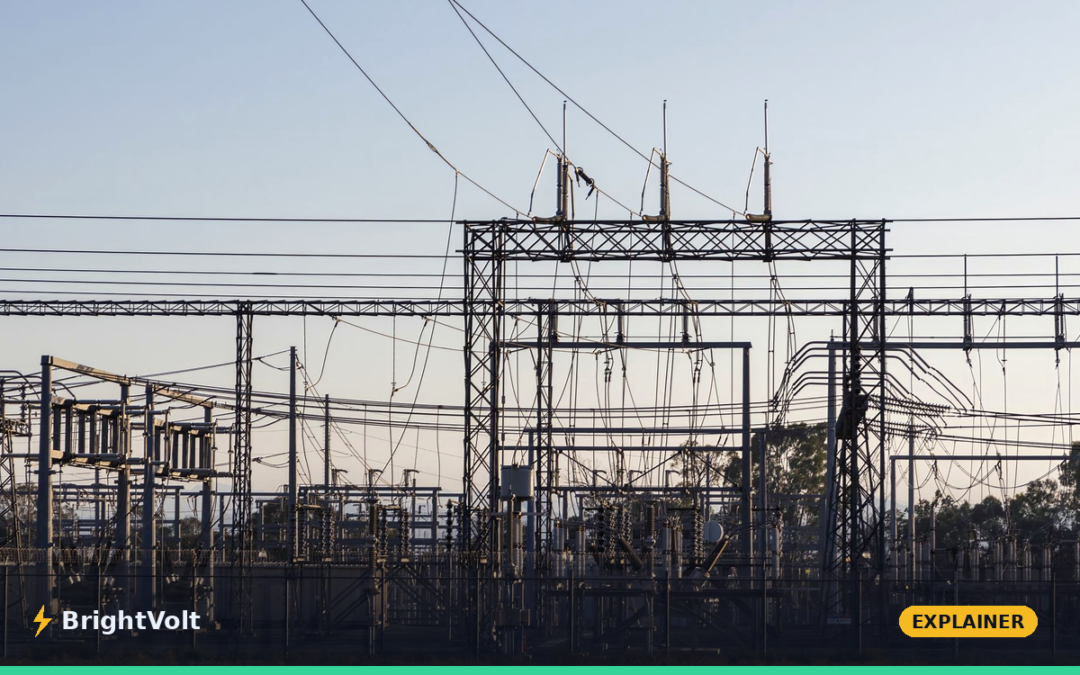
When South Australia’s grid began running on more than half wind and solar, it did not run short of power. It ran short of system strength — the grid’s ability to hold its voltage steady and, crucially, to push enough current into a fault that the protection equipment can detect it and trip. The fix cost AU$166 million: four spinning machines that generate no electricity at all and exist only to keep the grid stiff enough for inverters to work.
System strength is the grid service almost nobody outside a control room can name, and it is quietly becoming the binding constraint on how much renewable energy a network can absorb. Here is what it is, why inverters cannot yet fully supply it themselves, and why the answer keeps arriving as a machine that produces nothing.
What system strength actually is
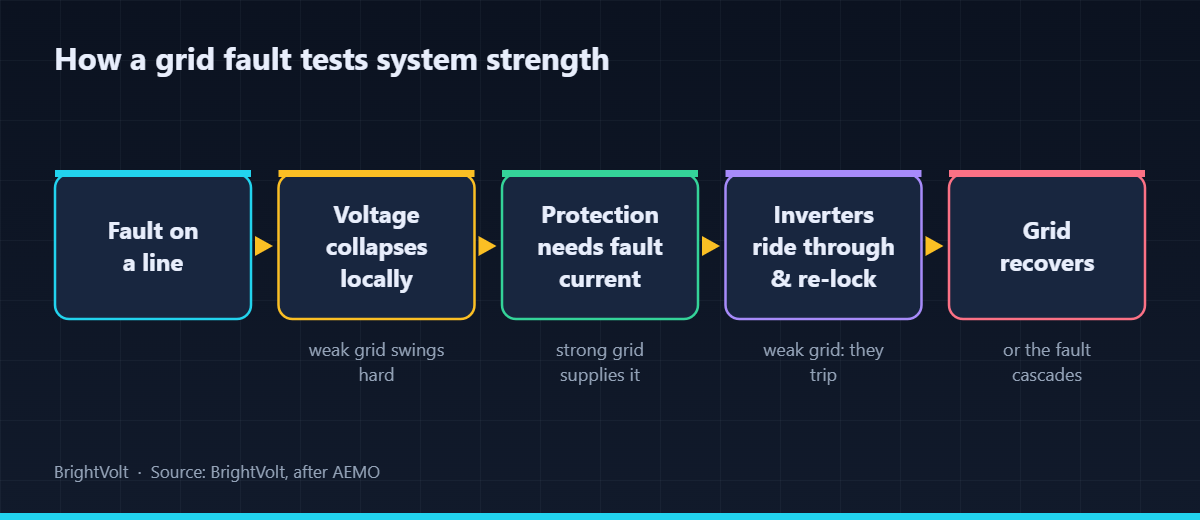
The grid operator AEMO defines system strength as the ability of the power system to maintain and control its voltage waveform — put plainly, how little the voltage moves when something goes wrong. A “strong” node barely flinches when a line faults nearby; a “weak” one sees its voltage swing wildly.
The number behind it is fault level, measured in megavolt-amperes: the amount of current the grid can shove into a three-phase short circuit at a given point. Fault level is highest right next to a large spinning generator and falls the further away you get. Engineers turn it into a ratio — the short-circuit ratio, or fault level in MVA divided by a nearby inverter’s rated output in MW. Inverter manufacturers publish a minimum short-circuit ratio their equipment needs to run stably. Below it, the machine misbehaves.
That fault current is not a nuisance to be minimised. It is the signal a protective relay listens for. A circuit breaker knows to open because a fault draws a huge, unmistakable surge of current; starve the grid of fault current and the breaker can no longer tell a fault from a busy afternoon.
Why inverters need a stiff grid
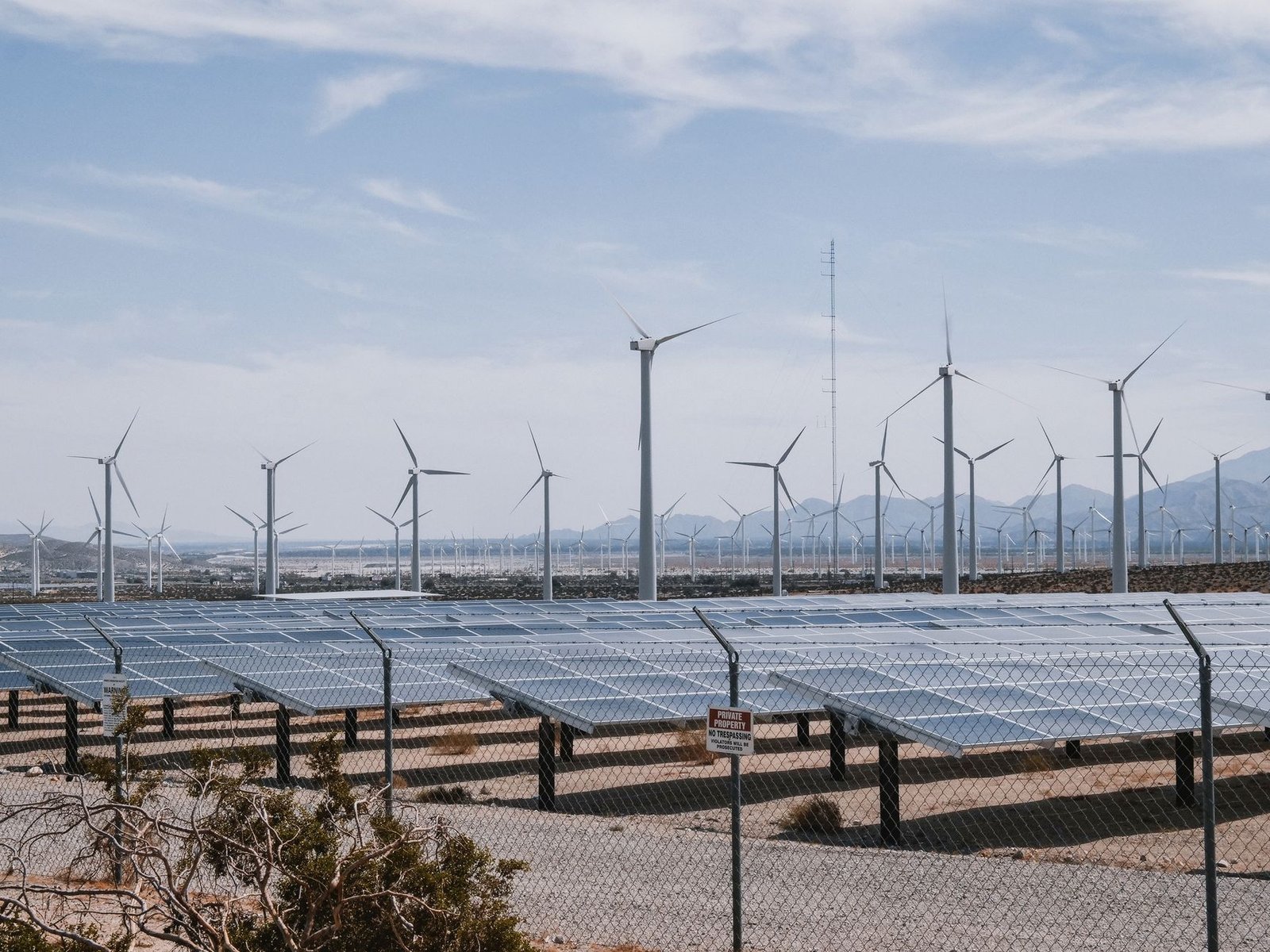
Here is the awkward part: the machines replacing coal and gas are the ones that need system strength most, and supply it least.
A conventional power station spins a massive synchronous generator whose sheer rotating mass anchors the grid’s voltage and frequency and dumps enormous fault current on demand — physics, for free. A solar farm or a battery connects through a grid-following inverter, which does the opposite: it watches the grid’s voltage with a “phase-locked loop” and injects current in time with it. It is a follower by design. When system strength is low and a fault throws the voltage’s phase angle sharply, the inverter cannot re-lock onto the grid quickly enough, injects current at the wrong angle, distorts the voltage further, and nudges every neighbouring inverter into the same confusion. AEMO’s own list of symptoms reads like a grid having a panic attack: undamped voltage oscillations, prolonged voltage recovery, deeper dips.
The trap is self-reinforcing. Every time a coal plant retires or gets undercut in the bid stack by cheap solar and switches off, the local fault level drops — exactly where inverter penetration is highest and system strength is needed most. The grid gets cleaner and weaker in the same motion.
South Australia’s AU$166 million answer
South Australia hit this wall first, because it decarbonised first. AEMO formally declared a system strength shortfall in October 2017 and an inertia shortfall the following December. For a while the operator plugged the gap by directing gas plants to stay running purely for stability — burning fuel to spin metal — at a cost of tens of millions a year.
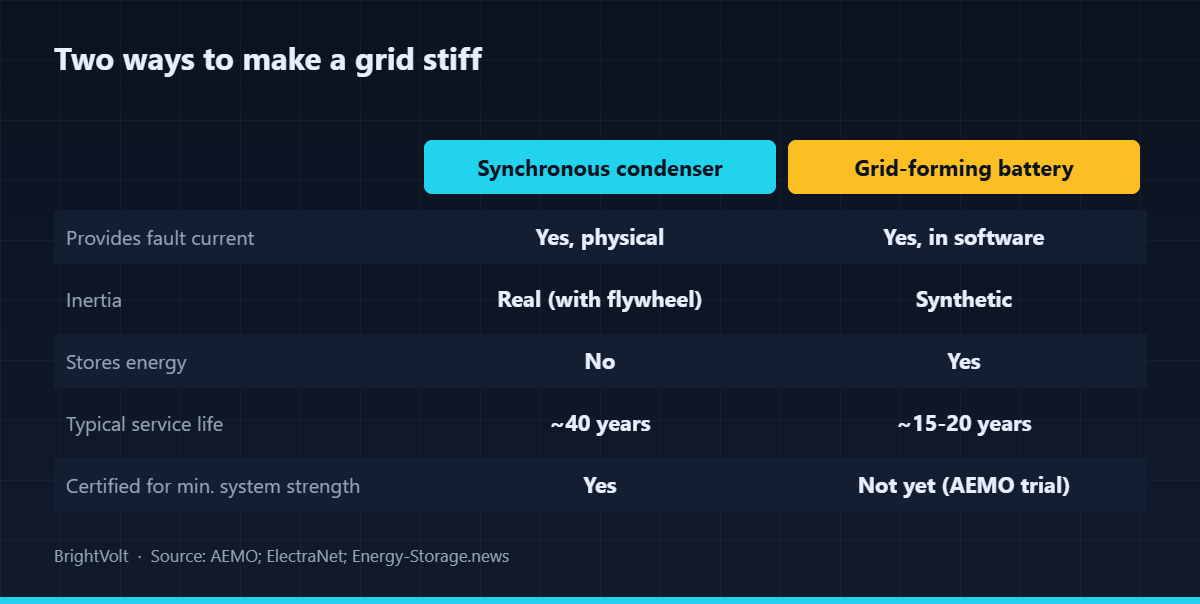
The permanent fix was to buy the spinning metal without the fuel. The transmission company ElectraNet installed four synchronous condensers — two at Davenport, commissioned by mid-2020, and two at Robertstown by early 2021. A synchronous condenser is a generator’s rotating half with the fuel-burning half deleted: a giant flywheel, each unit heavier than two Boeing 737s, that spins in step with the grid, throws fault current when a line faults, and — because these were paired with extra rotating mass — adds inertia too. They produce no energy. That is the entire point. They make the grid stiff enough that far more wind and solar can run without tripping.
The economics worked because they replaced something more expensive. The condensers cut AEMO’s stability directions by around AU$34 million a year, and the AU$166 million capital cost, spread over the machines’ 40-year life, nets out to a few dollars a year on a typical household bill. South Australia bought itself permission to run on renewables, and it paid for it in gas it no longer had to burn.
The battery in the room
The obvious question by 2026 is why a grid full of batteries needs a separate machine to do a battery’s job. A grid-forming inverter — the newer design that acts as a voltage source rather than a follower — can provide synthetic inertia and fault current and store energy, which a synchronous condenser never will.
The market is already voting. In New South Wales, Transgrid opened a pathway for 900 MW of grid-forming battery storage as the price of new synchronous condensers surged 38%, and AEMO now counts a pipeline approaching a hundred grid-forming projects.
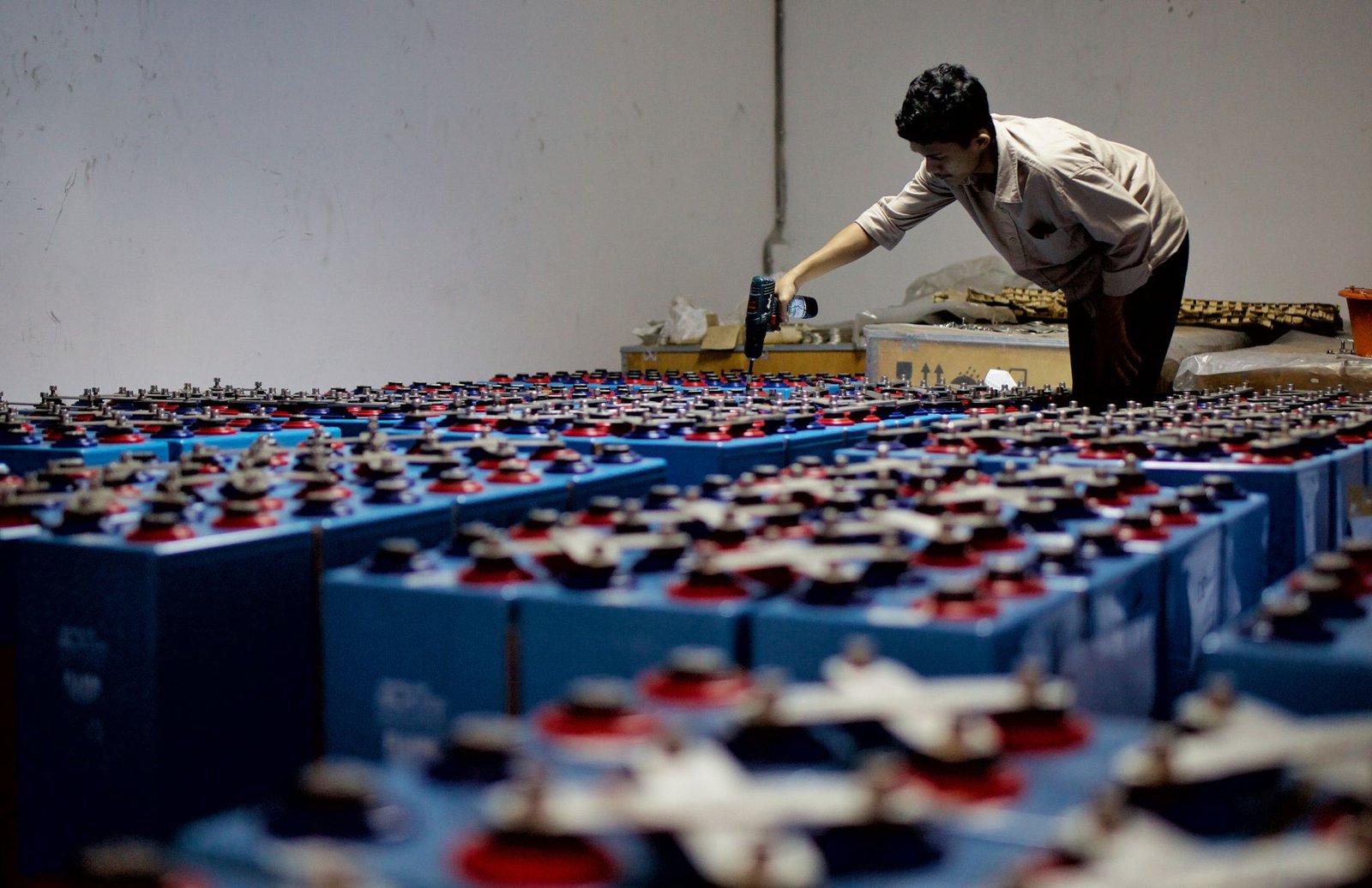 A battery that firms the evening peak and holds the grid’s voltage steady is doing two jobs on one connection, which a condenser cannot match.
But the honest state of play is that AEMO has not yet certified grid-forming batteries to meet the minimum system-strength requirement, and has launched a dedicated fault-current trial to find out whether they can. A synchronous machine’s fault contribution is a known physical quantity that has anchored grids for a century; an inverter’s is defined in software and has to be proven, node by node, before an operator will stake the lights on it. Until that proof lands, the condenser is the incumbent precisely because it is boring.
What to watch
The question that decides the next decade of this is narrow and answerable: does AEMO’s fault-current trial confirm that grid-forming batteries can hold minimum system strength on their own? If it does, the synchronous condenser becomes a transitional technology — the thing grids bought in the early 2020s while the software caught up, like a diesel generator kept for a blackout that never comes. If it does not, expect more flywheels, because a grid that cannot detect its own faults is not a grid worth running on sunshine.
Either way, the lesson South Australia paid AU$166 million to learn is the one every decarbonising grid meets in turn. The hard part of running on wind and solar is not making the energy. It is keeping the grid stiff enough to carry it.
Photo by Robert So on Pexels · Photo by Kindel Media on Pexels · Photo by Heru Dharma on Pexels