Oct 1, 2026 | Battery Technology, Policy & Regulations, Renewable Energy
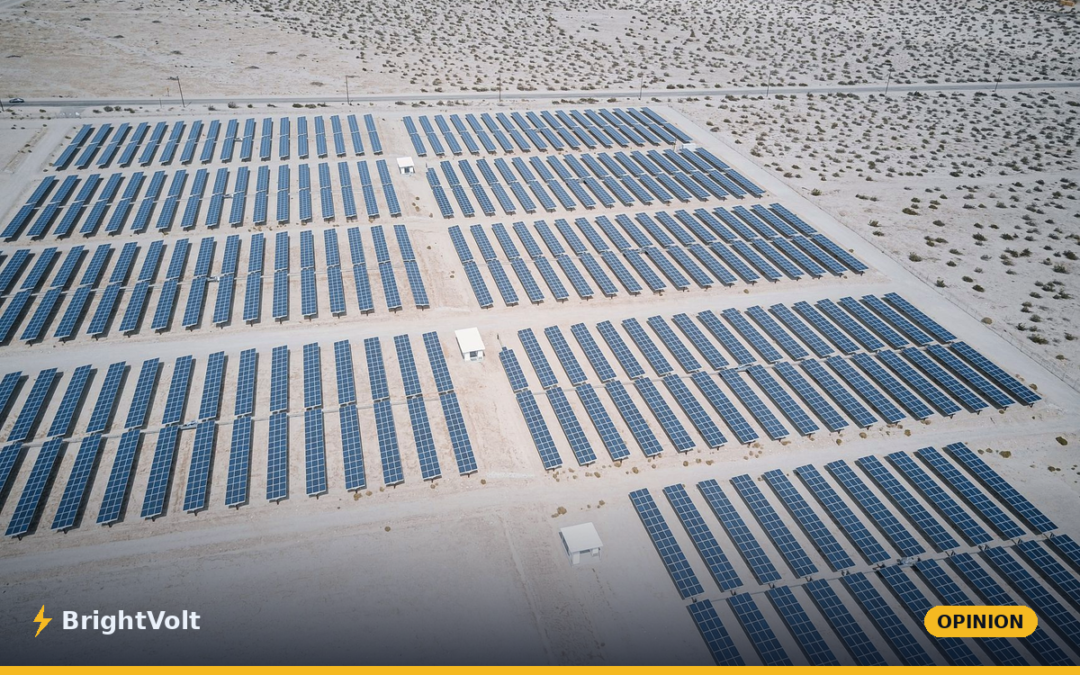
For about fifteen years the cost of new solar and wind electricity fell almost every year. In 2025 it rose. BloombergNEF puts its global benchmark for utility solar up 6% and offshore wind up 12% over the year, and Lazard has the levelized cost of US solar up 18%. The...
Sep 15, 2026 | Policy & Regulations, Renewable Energy
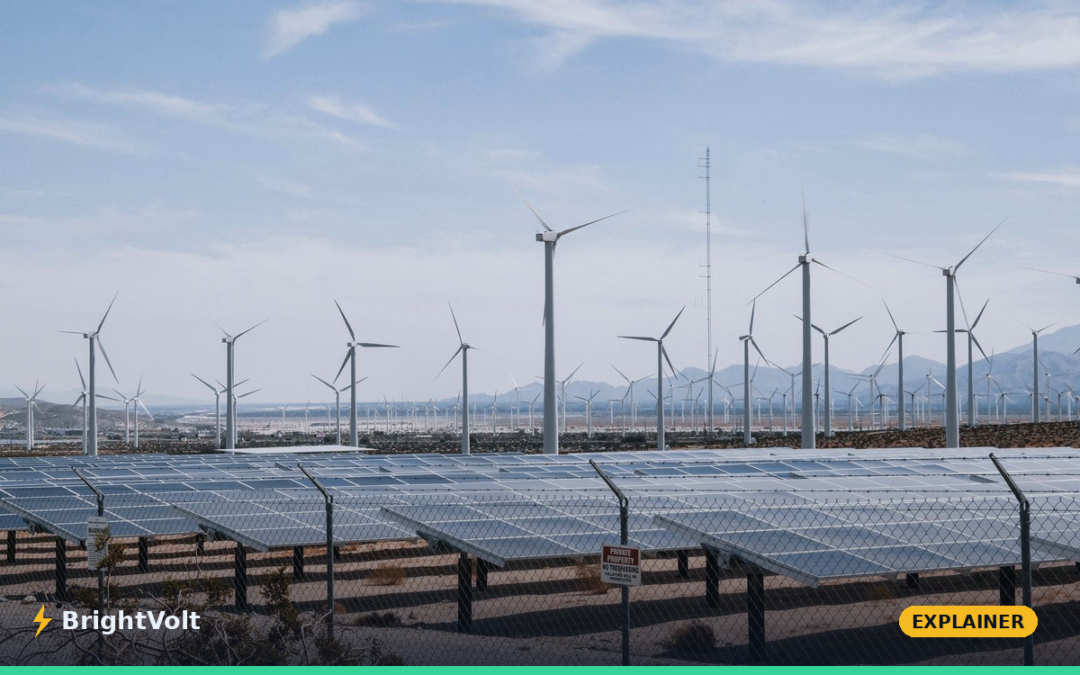
The levelized cost of energy, or LCOE, is a single number: a power plant’s total lifetime cost divided by the total electricity it produces over its life, usually quoted in dollars per megawatt-hour. It is the most-cited figure in energy — and the most misused....
Sep 9, 2026 | Policy & Regulations, Renewable Energy
A wind farm burns no fuel, so almost everything it will ever cost is spent before it sends out a single kilowatt-hour — and most of that money is borrowed. This is why the cost of capital, not the turbine, sets the price of clean power. For a utility-scale solar...
Sep 7, 2026 | Policy & Regulations, Renewable Energy, Wind
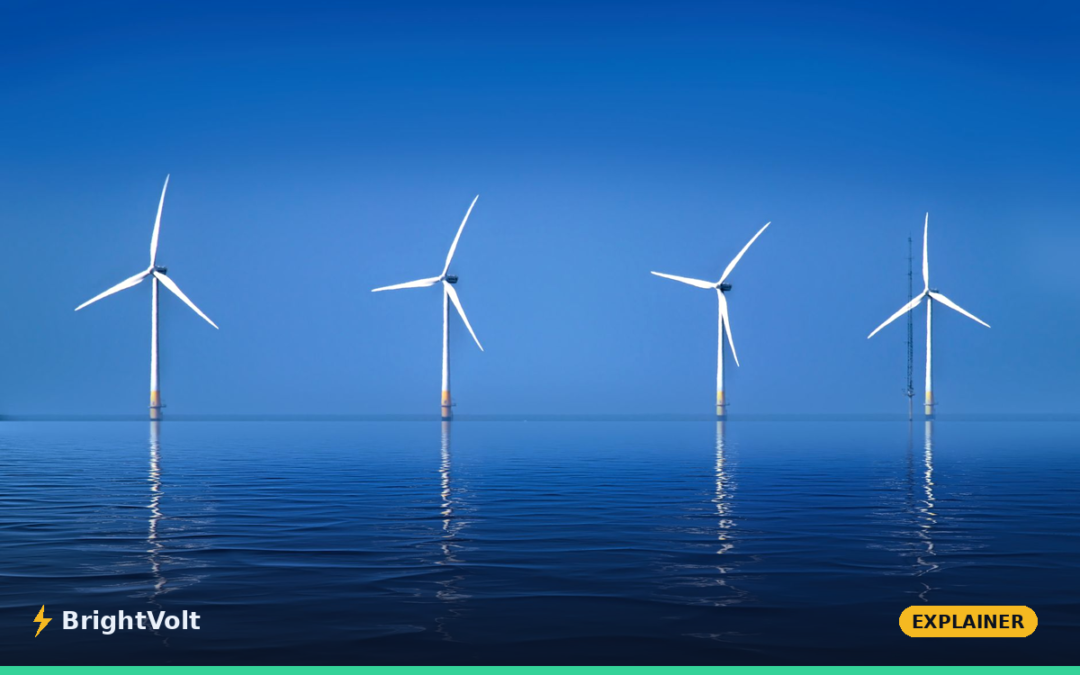
A contract for difference fixes the price a wind or solar farm is paid for its power, and it does it in both directions. When electricity sells below that agreed “strike price”, the generator is topped up to it. When it sells above, the generator pays the...
