
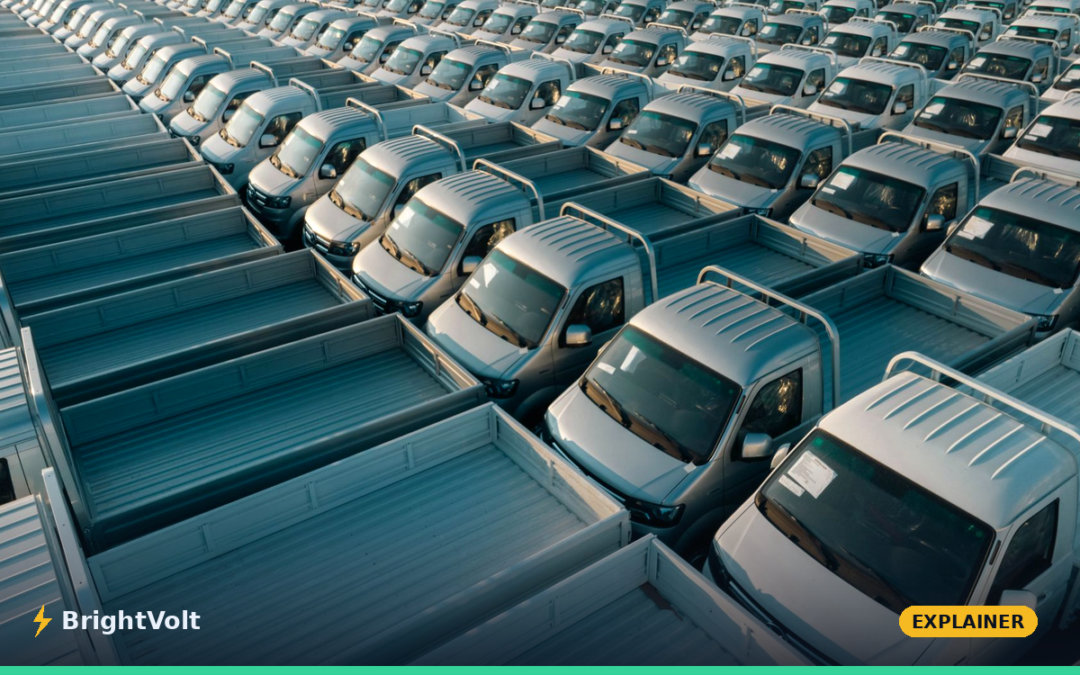
A car gets “sold” twice. Once when the factory ships it to a dealer — the wholesale number — and again when the dealer hands it to a buyer, which is the retail number. The two rarely match, and when they diverge far enough the gap is the story. In June 2026, China’s new-energy vehicle wholesales rose 22% year on year while retail sales fell about 7% — the same market, the same month, pointing in opposite directions.
Almost every “record EV sales” or “market collapse” headline quotes one of these numbers without saying which. Knowing the difference is the single cheapest way to avoid being misled by an automotive statistic.
Two numbers, and who reports which
Wholesale counts cars leaving the factory — shipped to a dealer, or loaded onto an export ship. The sale is booked the moment the manufacturer parts with the vehicle, whether or not a driver ever appears. Retail counts the other handover: dealer to customer, the car actually driven away and, usually, registered. Wholesale measures what was produced and pushed into the channel. Retail measures what was bought.
Which one you see depends on who is counting. In China, the Passenger Car Association (CPCA) publishes both, side by side, which is why the divergence is so visible there. The China Association of Automobile Manufacturers (CAAM) reports the factory-side figure. In the United States the convention is messier: most automakers report wholesale deliveries to dealers and call them “sales,” Tesla reports customer deliveries that sit closer to retail, and the cleanest demand signal — new-vehicle registrations — comes separately from firms like S&P Global Mobility, weeks later.
| Wholesale | Retail | |
|---|---|---|
| What it counts | Factory → dealer or export | Dealer → buyer |
| Booked when | The car leaves the plant | The car is sold / registered |
| Measures | Supply pushed into the channel | Actual end demand |
| Who reports it (China) | CAAM; CPCA | CPCA |
| Who reports it (US) | Most automakers’ “sales” | Registrations (S&P Global Mobility) |
| Flattered by | Exports, inventory build | Discounting that clears lots |
Neither number is wrong. They answer different questions. Wholesale tells you how hard the factories are running; retail tells you whether anyone is buying. Trouble starts when a report uses one to imply the other.
A market booming and shrinking at once
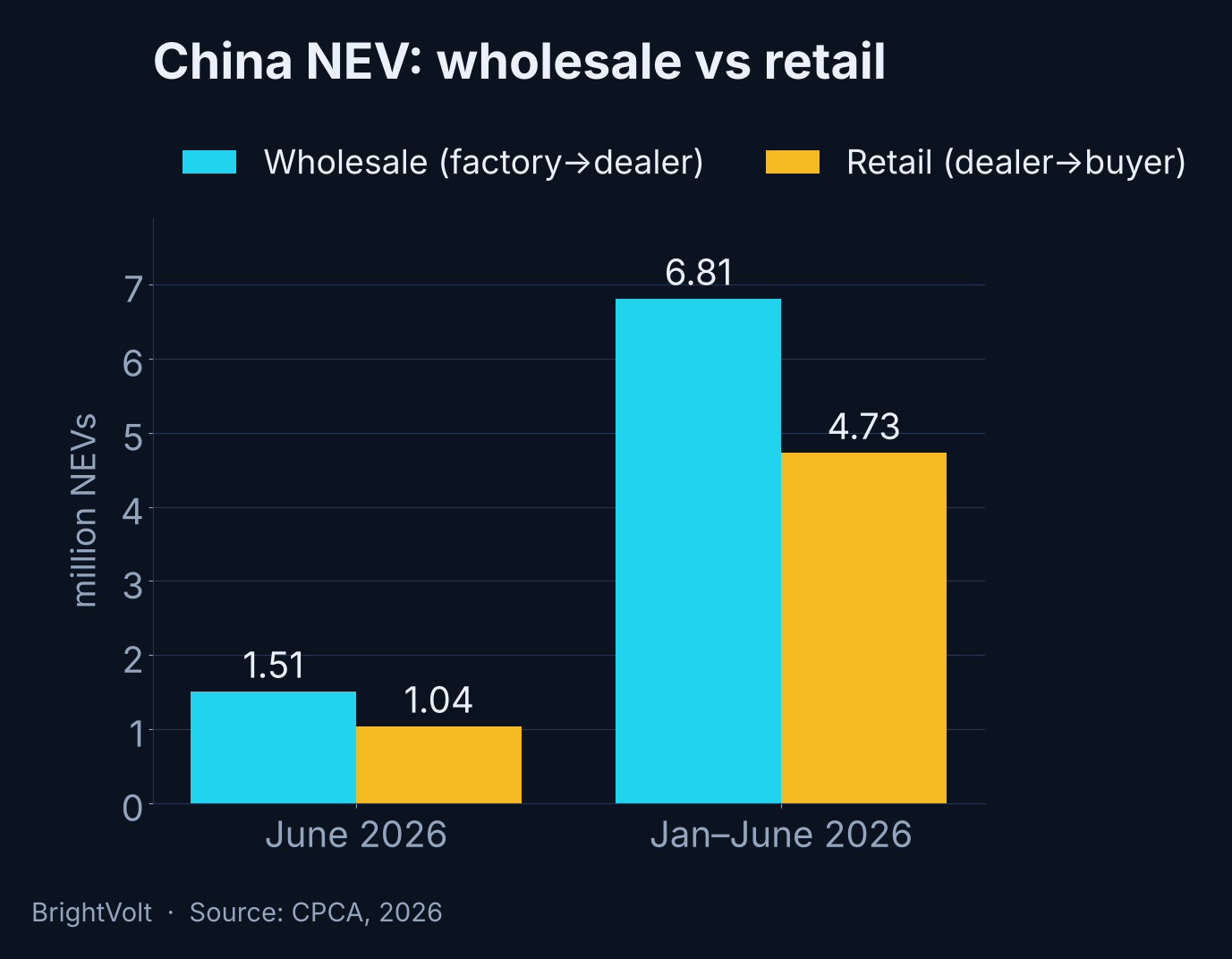
June 2026 is the clean illustration. CPCA put NEV wholesales at about 1.51 million units, up 22%, and retail at roughly 1.04 million, down 7%. Read only the first and China’s EV market looks like it is still accelerating. Read only the second and it looks like it has stalled. Both came from the same association on the same day.
The half-year made the split wider still: wholesale of 6.81 million (up 6%) against retail of 4.73 million (down 13%). Factories shipped well over two million more NEVs than Chinese buyers took home in six months. That wedge does not vanish. It is sitting somewhere.
Where the missing cars go
Two places, and telling them apart matters.
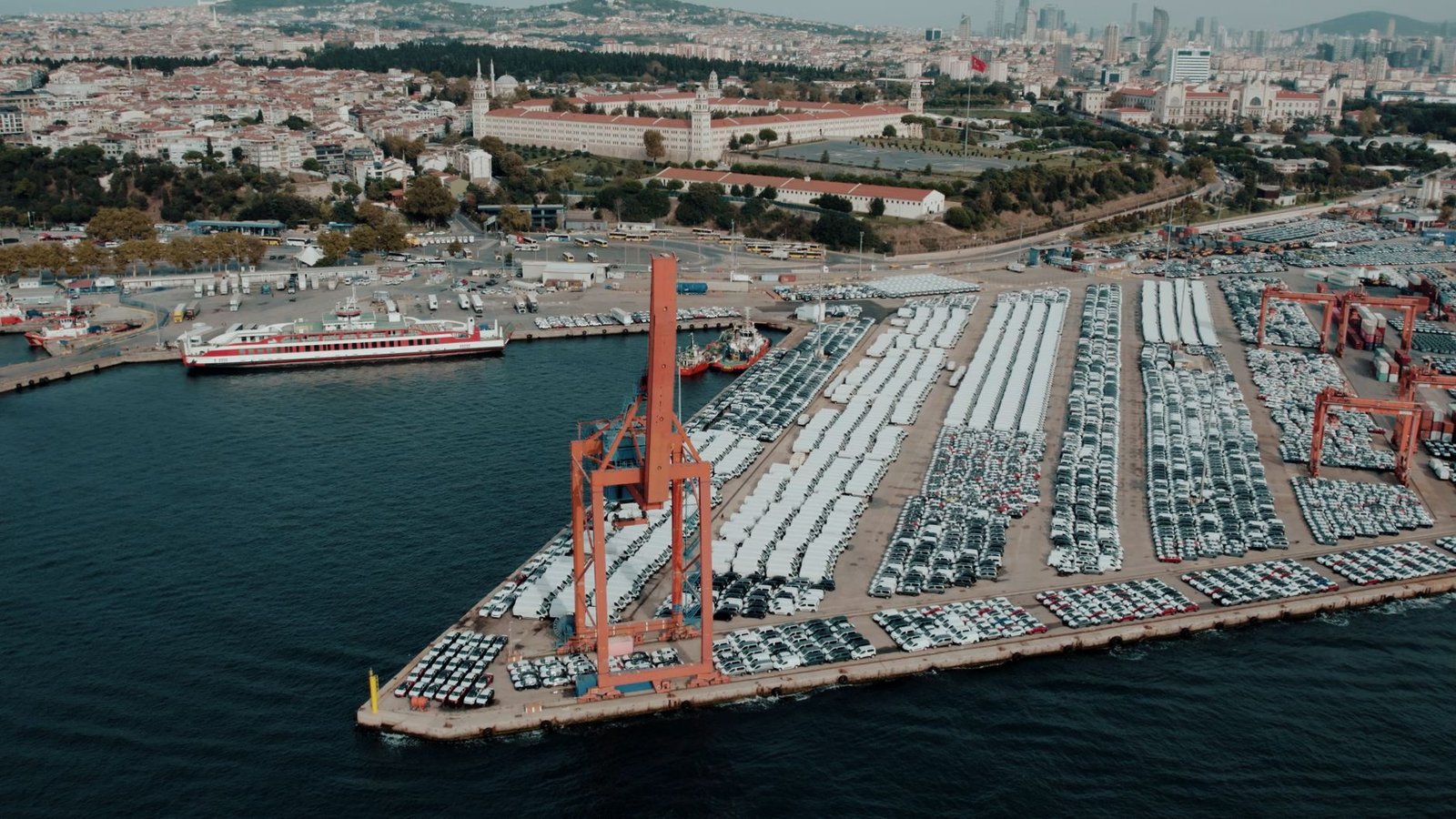
The first is overseas. A car exported from China is booked as a wholesale the instant it leaves the plant, but it is never a Chinese retail sale — it will be retailed in Germany or Brazil or Thailand months later. China’s monthly vehicle exports topped one million units for the first time in 2026, with NEVs more than half of them. A rising export share mechanically lifts wholesale above domestic retail, and that part of the gap is genuine strength — just strength that shows up in someone else’s market.
The second is the dealer lot, and that part is a warning. When wholesale outruns retail without exports to explain it, the unsold cars pile up as inventory. China’s national passenger-car stock stood at about 3.14 million units at the end of August 2026, or roughly 56 days of sales — more than the 42 days carried in 2023. Inventory is money and metal sitting still, and dealers eventually clear it the only way they can: discounts, which show up later as a retail spike that is really a margin cut. Push too many cars into the channel and you borrow sales from next quarter.
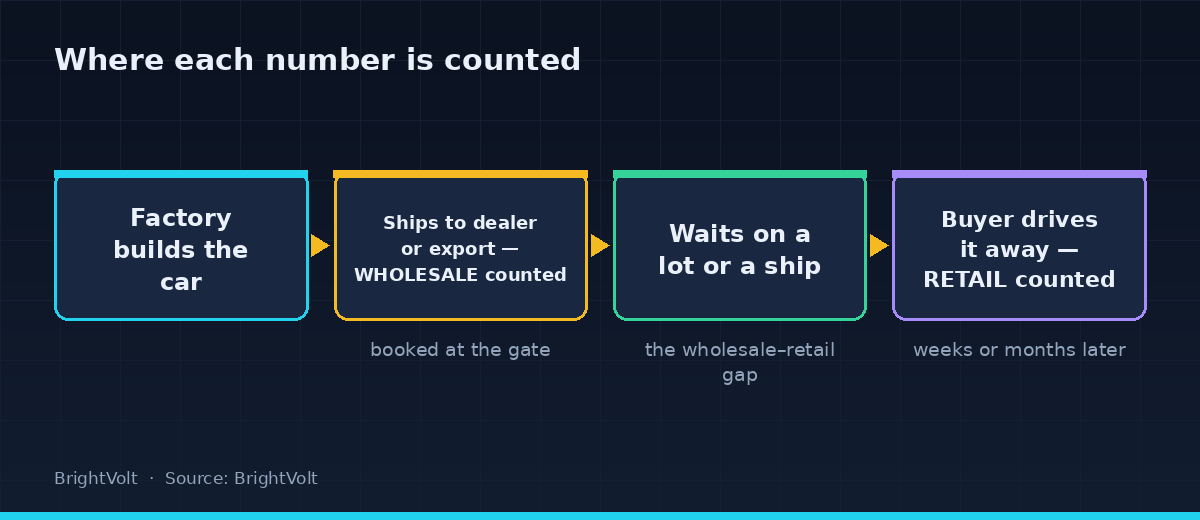
The distinction is the whole point. Wholesale running ahead on exports is a factory winning abroad. Wholesale running ahead on inventory is a factory stuffing the channel. The headline number looks identical in both cases; only the split between exports and lots tells you which you are looking at.
How to read a sales headline
Start with one question: is this the factory’s number or the buyer’s? If a story celebrates record “sales” and cites a manufacturer or CAAM, it is almost certainly wholesale — production pushed out, not demand pulled in. If it quotes CPCA retail or registration data, it is closer to what people actually bought.
Then look for the gap. When wholesale and retail move together, the market is simply growing or shrinking and either number will do. When they split, the difference is the information: check whether exports or inventory is doing the work, because one is a business winning customers abroad and the other is a business running out of them at home. A single figure can hide both.
This is not a China quirk. Every major car market keeps two sets of books — one counted at the factory gate, one at the kerb — and the automotive press quotes them interchangeably, often in the same article. The reader who asks “which handover is this counting?” will understand a sales report better than the one who only asks whether the number went up. For the fuller picture of how China’s export surge is propping up its production figures while domestic demand softens, the two numbers have to be read together — which is exactly why both get published.
Photo by abdo alshreef on Pexels · Photo by Julien Goettelmann on Pexels