
An electric boat is a much harder problem than an electric car, and the reason people reach for first — batteries do not hold enough energy — is the least of it. A battery pack carries roughly a twentieth of the usable energy of the same weight of diesel. That wall is real. But a car lives with the same wall and does fine, because a road is easy to roll along and you can always coast to the verge. Water grants neither mercy. It fights back harder the faster you go, and it never lets you stop where you like.
Water is not a road
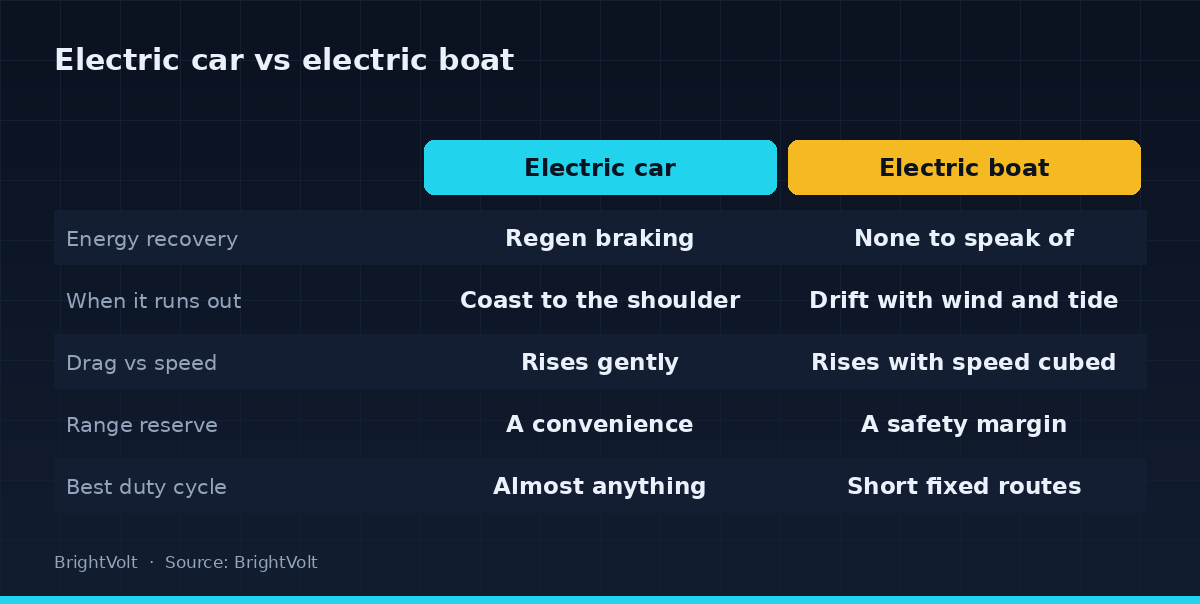
A car on a flat road at a steady speed spends most of its energy on rolling resistance and air, and both rise gently. Push a boat through water and the resistance climbs far more steeply. Below the speed where a hull starts to plane, most of the effort goes into making waves, and wave-making resistance rises roughly with the cube of speed. Double your speed and the power demand can rise something like eightfold. There is no equivalent penalty on tarmac.
That is why an electric boat’s range collapses the moment it goes fast. Candela, the Swedish builder whose boats are the efficiency benchmark, is blunt about the arithmetic: a planing boat with a 110 kWh pack — bigger than most electric cars carry — manages only 20 to 30 nautical miles. A car with a third of that battery does ten times the distance. The water is eating the difference, and it eats more of it with every extra knot.
You cannot coast home
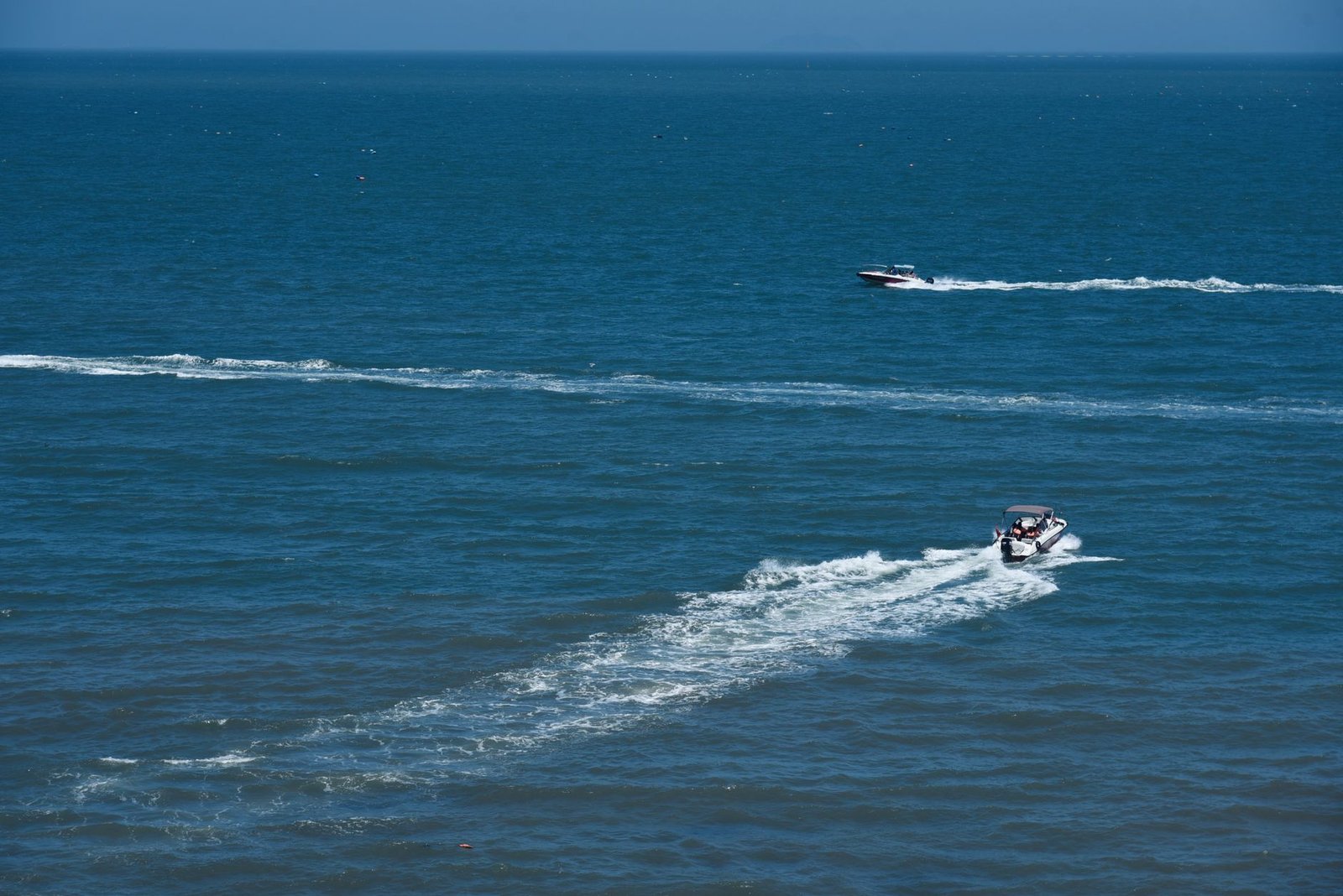
The second problem has nothing to do with energy and everything to do with what happens when it runs out. A car that empties its battery rolls to a stop on the shoulder, and you wait for a truck. A boat that empties its battery does not stop — it drifts, and it drifts wherever the wind and the tide decide, which is rarely back toward the dock. There is no shoulder at sea, and no coasting: lift the throttle and the water brings you to a halt in a couple of boat-lengths.
This turns range reserve from a convenience into a safety margin. A driver comfortable arriving with 5% left is making a bet about the distance to the next charger. A skipper planning to arrive with 5% left is making a bet about wind, current and weather over open water, and the honest reserve for that bet is far larger — a fifth of the pack, often more, held back to guarantee a return against a headwind that was not in the forecast. So a boat’s usable range is smaller than its rated range by a wider margin than any car, and the gap is not marketing conservatism. It is the difference between a bad afternoon and a rescue.
Regenerative braking, the trick that hands a car back a tenth of its energy in city traffic, does almost nothing here. A boat rarely brakes, coasts to no useful stops, and a freewheeling propeller recovers little. The electric car’s best efficiency tool is missing at sea.
The energy-density wall, and why boats mind it less than planes
Now the wall everyone starts with. Marine diesel delivers about 4,500 watt-hours of useful energy per kilogram after the engine’s losses; a lithium-ion pack, after its own, returns something like 225 — a ratio near twenty to one. That is the same physics that keeps batteries out of long-haul aviation, where every kilogram must be lifted and held in the air.
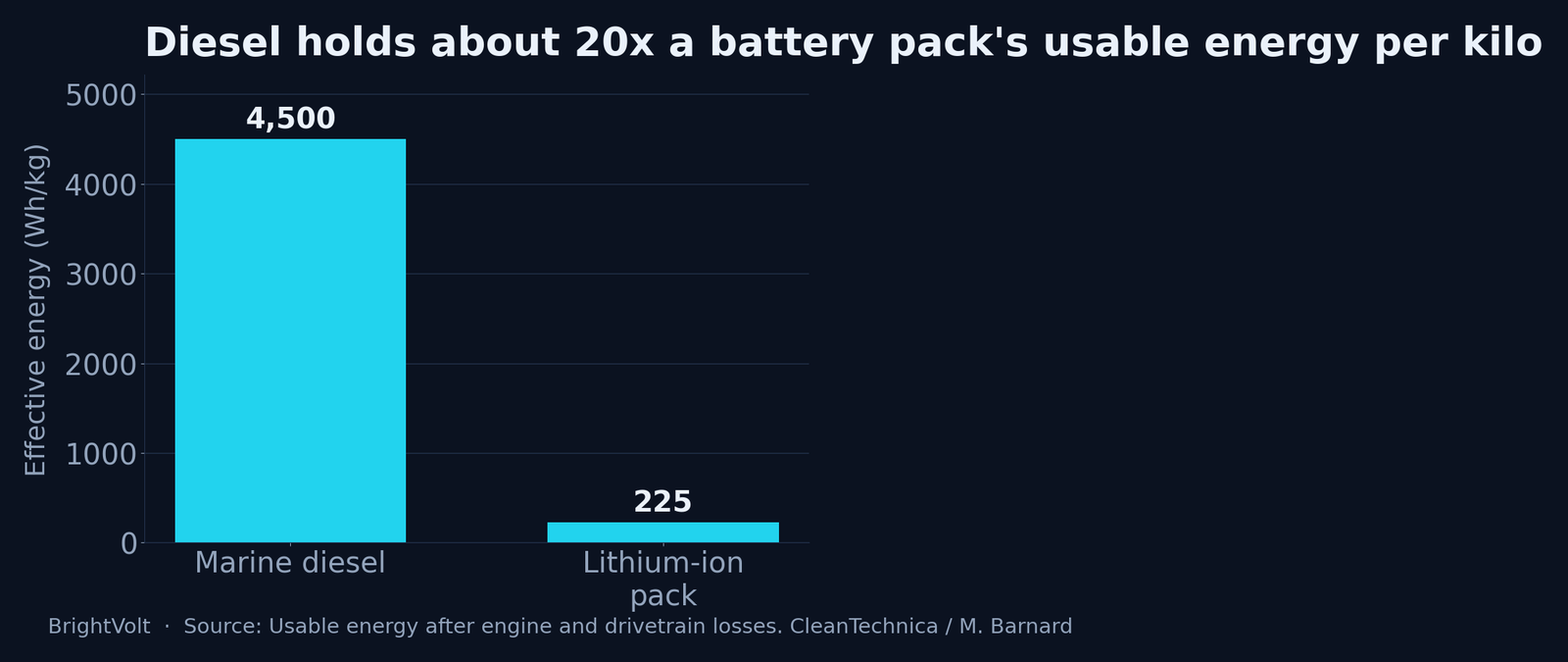
A boat minds this less than a plane, for one reason: it floats. Weight that would ground an aircraft merely sits lower in the water on a hull, so a ferry can carry many tonnes of battery without the payload penalty that kills an electric airliner. The density wall does not stop electric boats the way it stops electric planes. It bites instead through the two problems above — because a low-energy store combined with cube-law drag and a big safety reserve leaves very little range to sell, which is exactly the equation a hydrofoil is built to break.
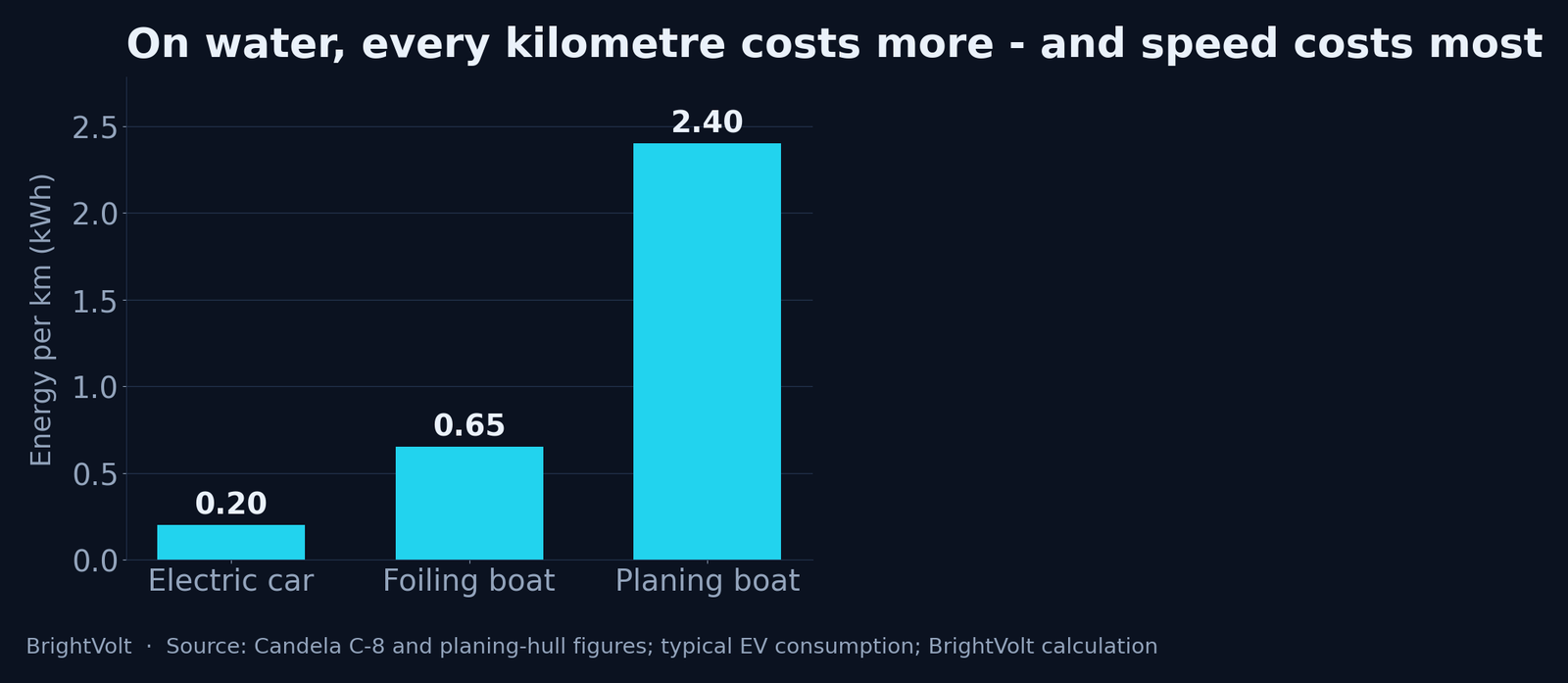
Lift the hull out of the water entirely and the wave-making drag it was fighting simply goes away. Candela’s foiling C-8 gets 57 nautical miles from a 69 kWh pack — more than double the range of a planing boat carrying 60% more battery. Measured by energy per kilometre, a foiling boat is roughly three times a car’s appetite and a planing boat about twelve times. Foiling does not beat the road. It just stops the water winning by so much.
Where electric boats already win
None of this stops electrification where the duty cycle fits, and the fit is the same one that electrifies mines and ports before cars: a short, fixed route with a charger at the end of it. A vessel that runs the same crossing all day, returns to the same berth every hour, and never strays from shore turns every one of the problems above into a non-issue. The reserve can be small because the route is known. The range can be short because the charger is always there.
Denmark’s Ellen is the proof. She carries a 4.3 MWh battery — around fifty times a car’s — to run a 22-nautical-mile ferry route between two islands, and tops up in about twenty minutes at a shore-charging arm between sailings. That battery-to-distance ratio would be absurd for a private boat crossing an ocean. For a ferry on a fixed timetable it is simply the cost of doing a job the route makes predictable.
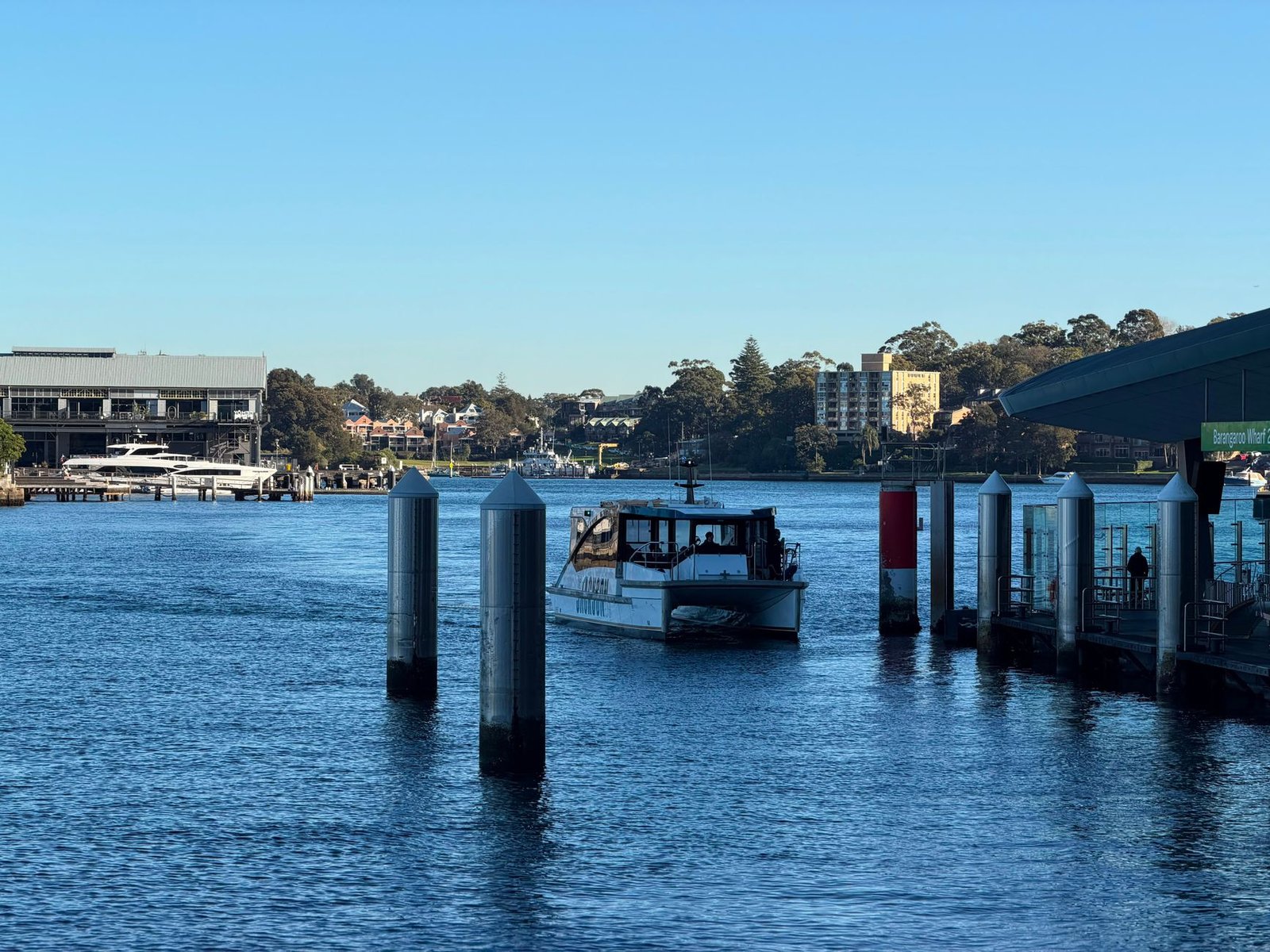
The pattern generalises. Harbour tugs, which spend their day at the same quay and burn enormous amounts of diesel in short bursts, are strong candidates. Commuter foilers on fixed city-river runs are another. What these share is the electric car’s winning condition — return to base, charge on schedule, never gamble on the reserve — imposed by geography rather than chosen.
What to watch
The dividing line is duty cycle, not battery chemistry, and it will move as two things change. Cheaper, faster dock charging widens the set of routes a fixed-route vessel can run without a bigger pack — the ferry problem is really a charging problem in disguise. And hydrofoils, or other drag-cutting hulls, extend how far a boat can go before the cube law swallows the range, which is what pulls private craft into the picture behind the ferries.
What will not change soon is the open-water long-haul. A boat that must cross an ocean, hold a large reserve against weather, and carry its own energy the whole way runs straight into the twenty-to-one wall with none of the duty-cycle escapes, and for that job liquid fuel — or something made from clean electricity that behaves like it — stays ahead. The claim to distrust is any electric boat sold on rated range alone. Ask what reserve it assumes and how fast it intends to go, because on the water those two numbers, not the battery’s size, decide how far you actually get home.
Photo by Paparazzi Ratzfatzzi on Pexels · Photo by Kokyo K on Pexels · Photo by sasif awan on Pexels