Sep 15, 2026 | Policy & Regulations, Renewable Energy
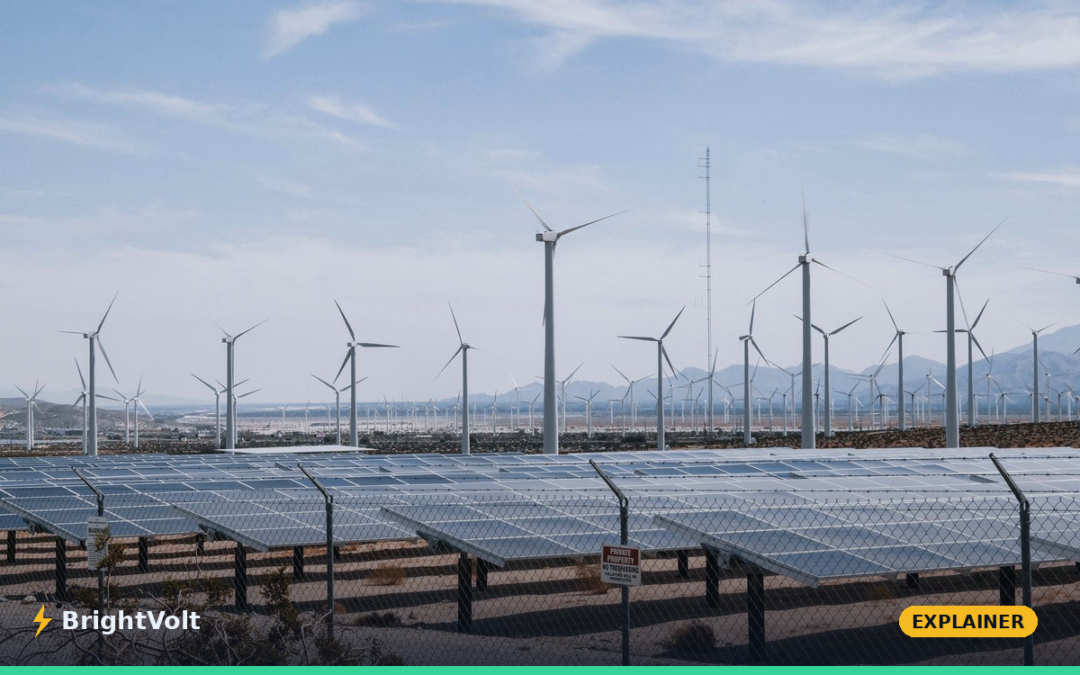
The levelized cost of energy, or LCOE, is a single number: a power plant’s total lifetime cost divided by the total electricity it produces over its life, usually quoted in dollars per megawatt-hour. It is the most-cited figure in energy — and the most misused....
Sep 14, 2026 | Renewable Energy, Smartgrids
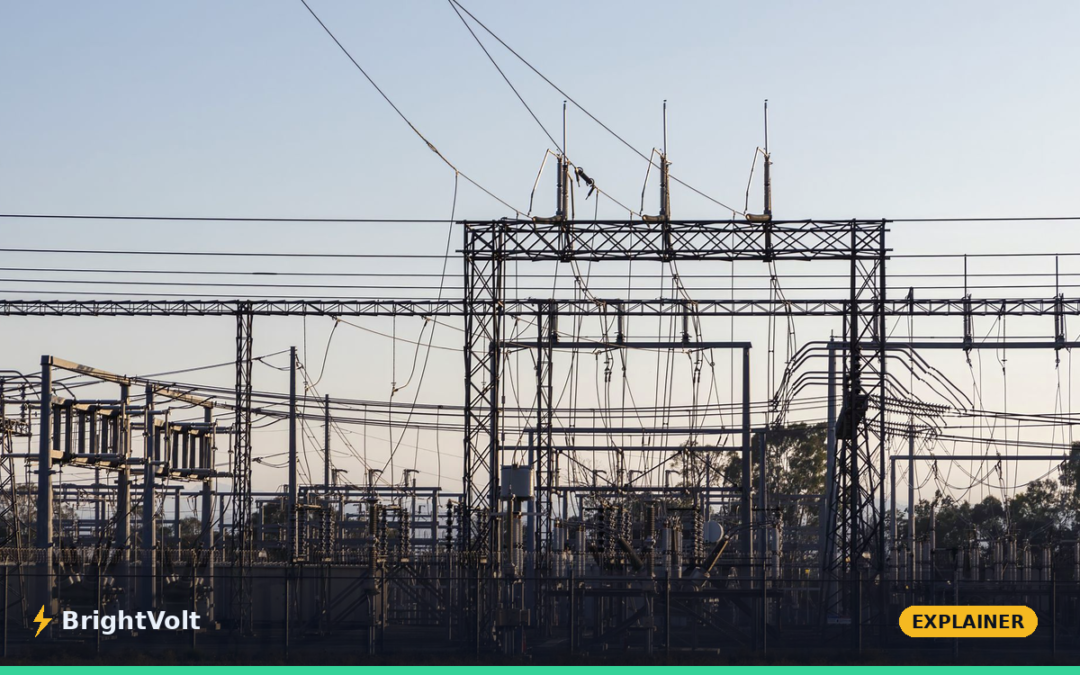
In the United States the wait to plug a power plant into the grid is now longer than the time it takes to build one. Roughly 2,000 gigawatts of generation and storage — more than the entire installed US power fleet — sits in interconnection queues, and of every...
Sep 14, 2026 | Policy & Regulations, Renewable Energy, Smartgrids
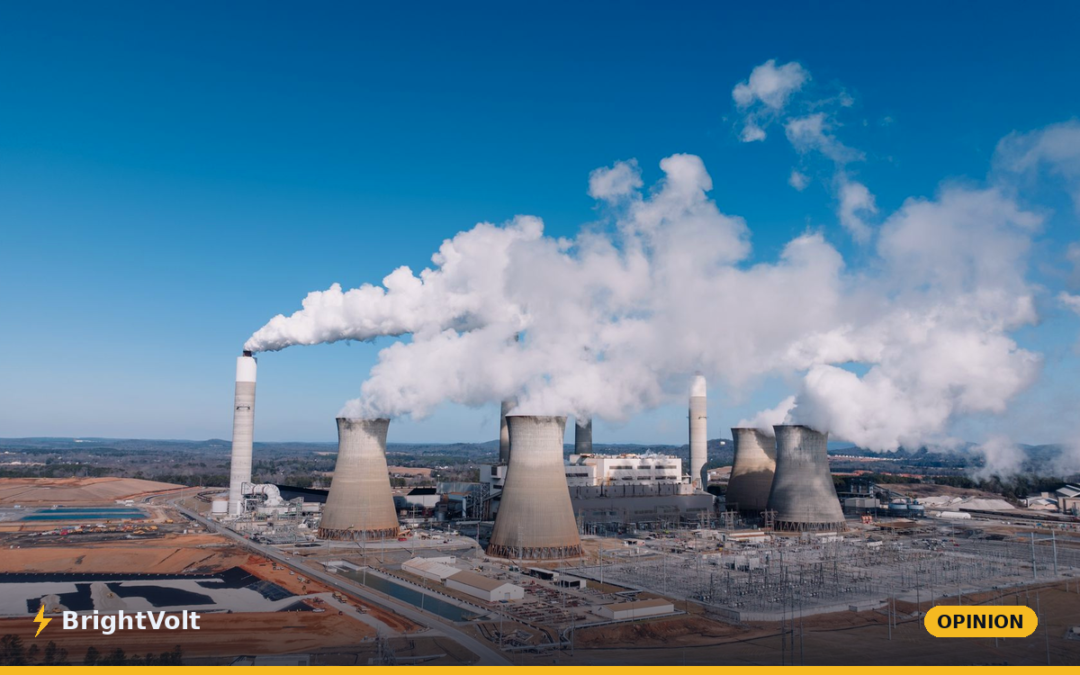
China threw away an estimated 360 terawatt-hours of wind and solar in the first half of 2026 — more clean electricity than the entire country’s power demand grew by, and up 49% on a year earlier. In the same six months it switched on 30 gigawatts of new coal....
Sep 12, 2026 | Policy & Regulations, Renewable Energy, Solar
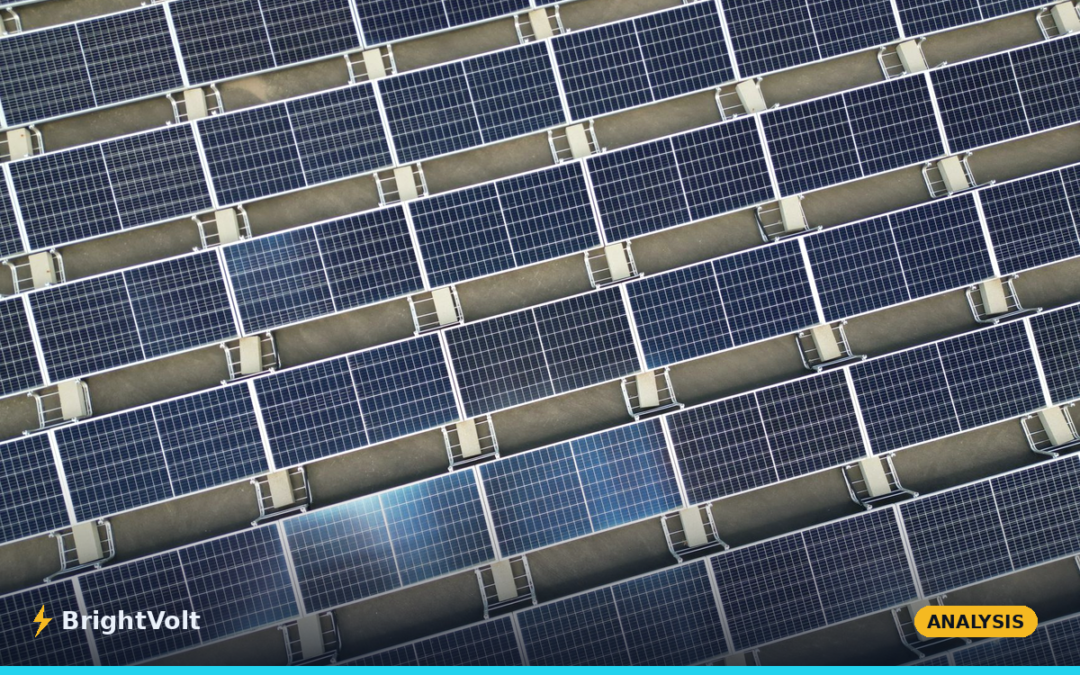
States that voted for Trump in 2024 installed 71% of the new solar capacity the United States added in the first half of 2026, according to SEIA and Wood Mackenzie’s latest Solar Market Insight report. Texas alone built 3.44 gigawatts, more than the next two...
Sep 12, 2026 | Renewable Energy, Smartgrids
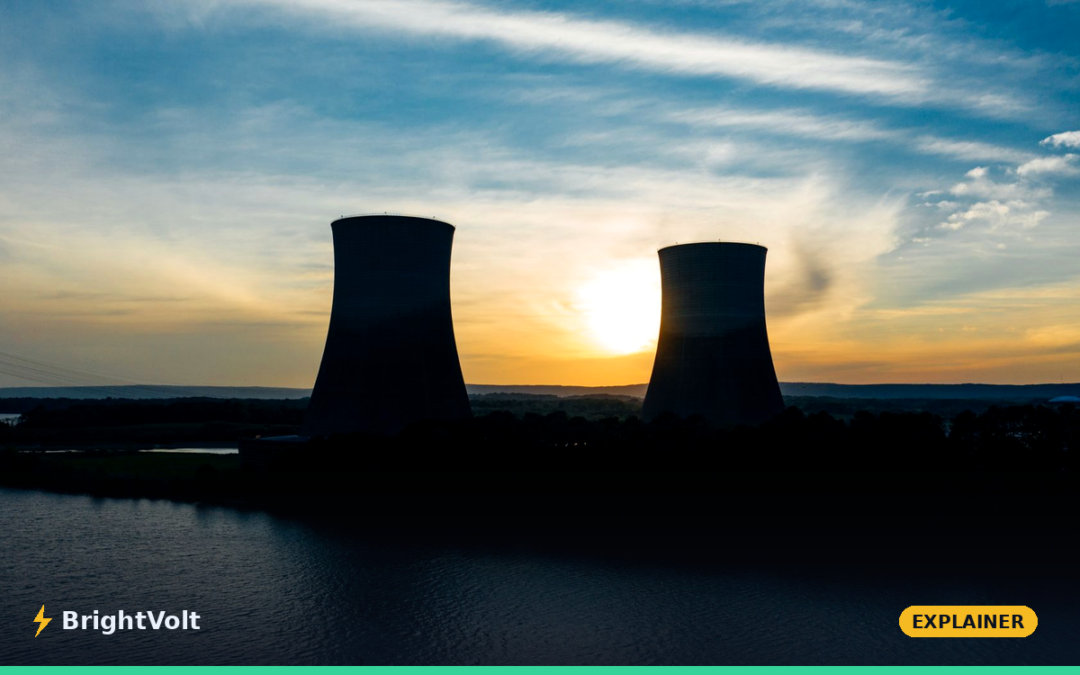
A power plant’s capacity factor is the share of its theoretical maximum output it actually delivers over a year. It is also why the grid’s headline numbers mislead. In 2025, US nuclear plants supplied about 18% of the country’s electricity from just...
Sep 9, 2026 | Policy & Regulations, Renewable Energy
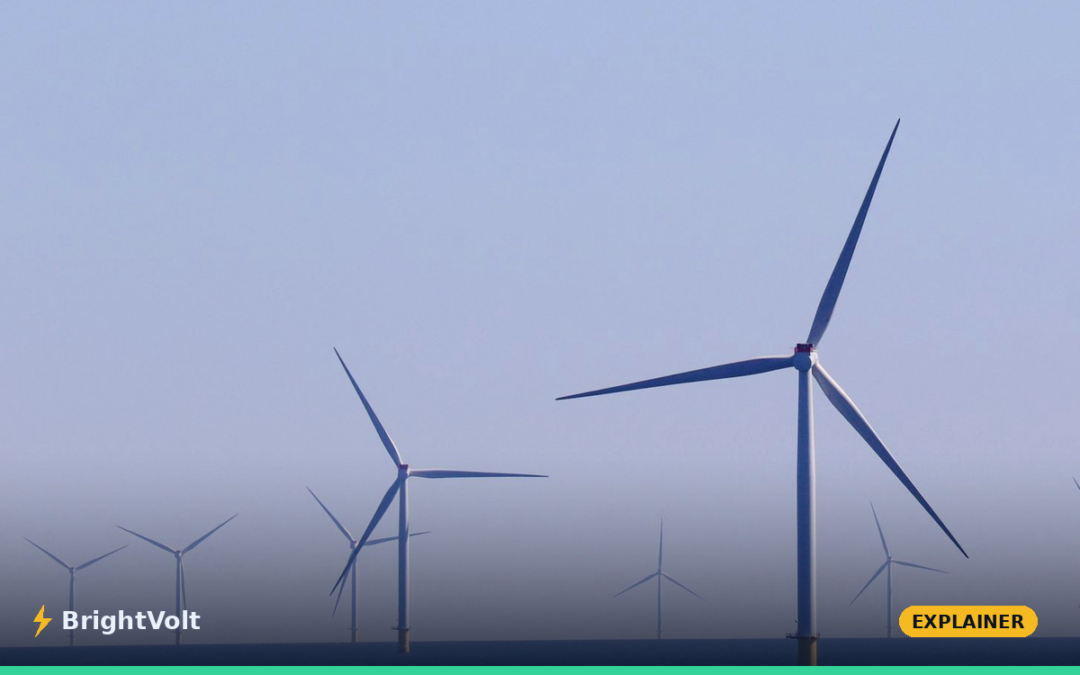
A wind farm burns no fuel, so almost everything it will ever cost is spent before it sends out a single kilowatt-hour — and most of that money is borrowed. This is why the cost of capital, not the turbine, sets the price of clean power. For a utility-scale solar...
