Sep 21, 2026 | Battery Technology, Policy & Regulations, Renewable Energy, Smartgrids
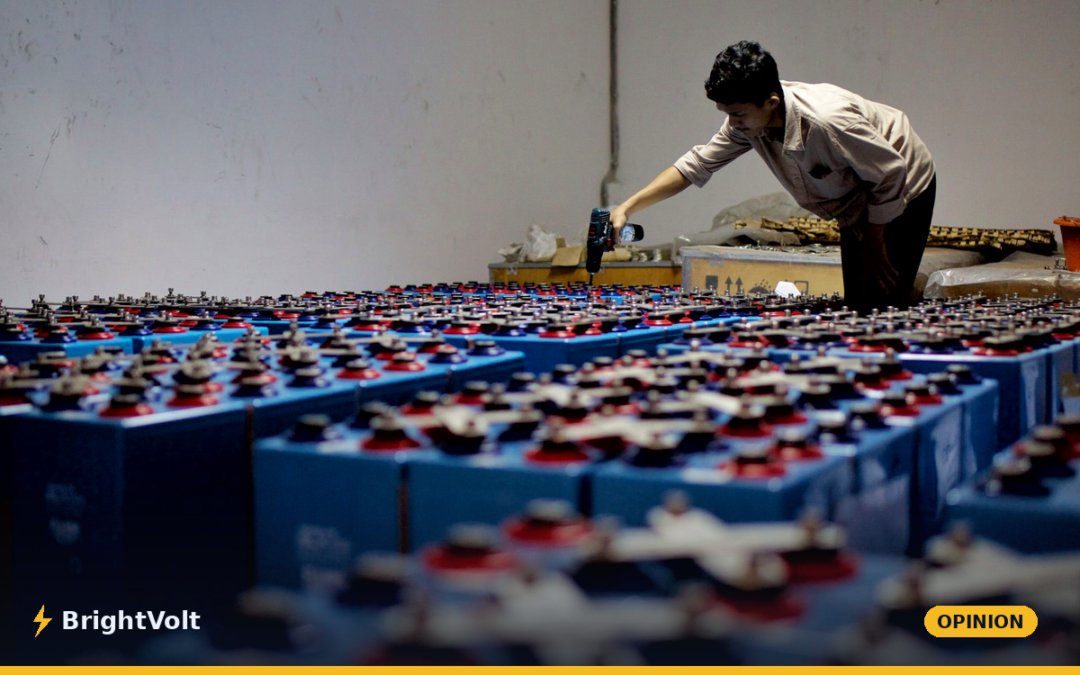
Texas has built the largest grid-battery fleet in the United States — roughly 21 GW of operating capacity by mid-2026, against California’s 17 GW — and it did so with no storage mandate, no capacity market and no climate target. The lesson the rest of the...
Sep 16, 2026 | Policy & Regulations, Renewable Energy, Smartgrids
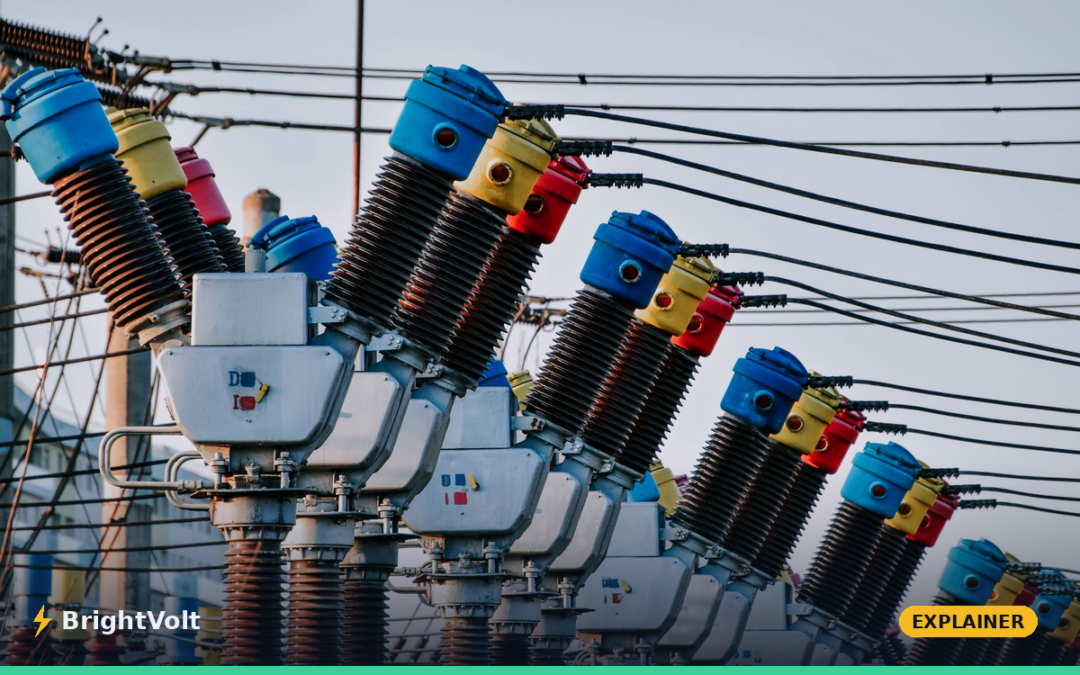
Almost every transformer on the power grid — the humming boxes that step voltage up at a power plant and back down on your street — is built around a core of grain-oriented electrical steel. In the United States, exactly one mill still makes it. That single dependency...
Sep 14, 2026 | Renewable Energy, Smartgrids
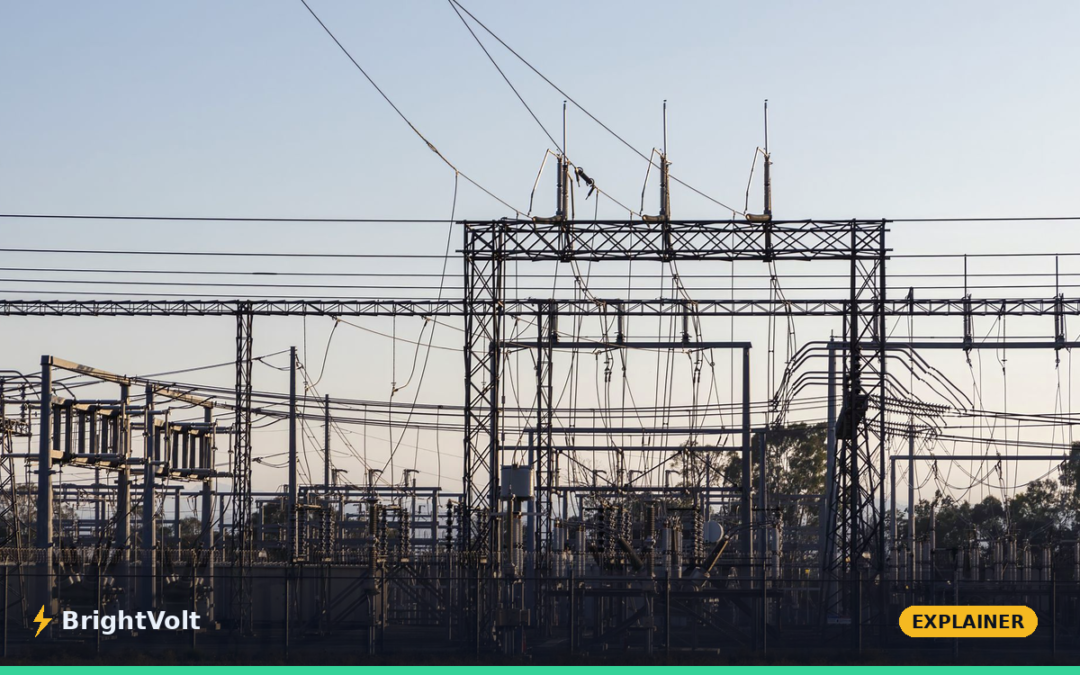
In the United States the wait to plug a power plant into the grid is now longer than the time it takes to build one. Roughly 2,000 gigawatts of generation and storage — more than the entire installed US power fleet — sits in interconnection queues, and of every...
Sep 14, 2026 | Policy & Regulations, Renewable Energy, Smartgrids
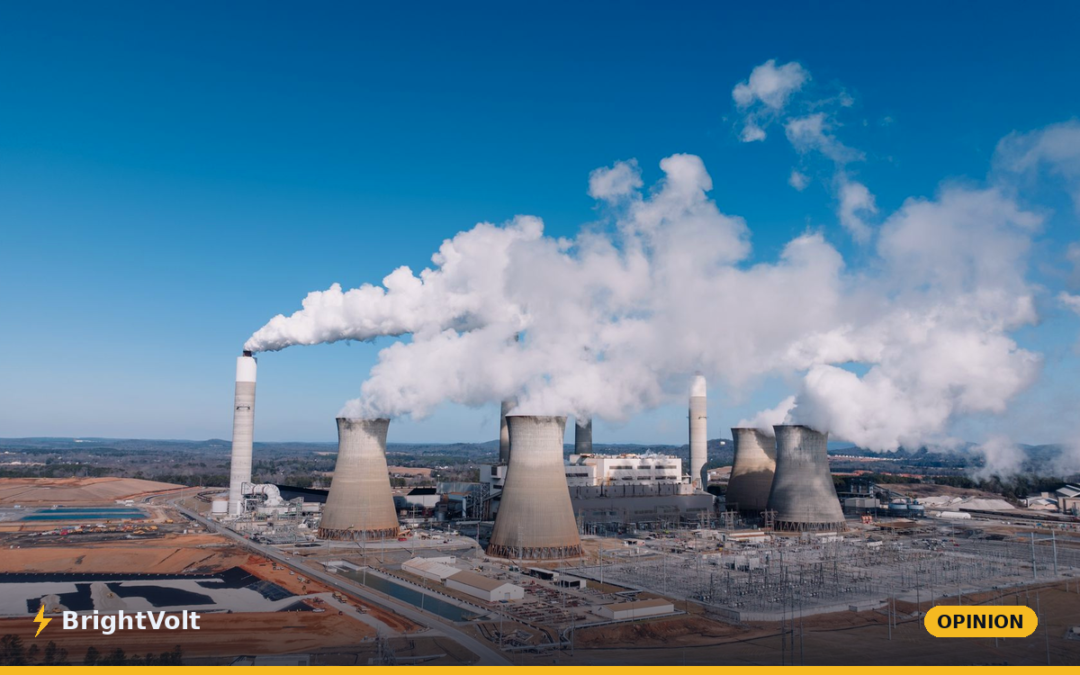
China threw away an estimated 360 terawatt-hours of wind and solar in the first half of 2026 — more clean electricity than the entire country’s power demand grew by, and up 49% on a year earlier. In the same six months it switched on 30 gigawatts of new coal....
Sep 12, 2026 | Renewable Energy, Smartgrids
A power plant’s capacity factor is the share of its theoretical maximum output it actually delivers over a year. It is also why the grid’s headline numbers mislead. In 2025, US nuclear plants supplied about 18% of the country’s electricity from just...

Sep 4, 2026 | Battery Technology, Policy & Regulations, Renewable Energy, Smartgrids
India’s grid regulator has told new solar and wind farms to help hold the grid up, not just feed into it. A draft rule published on 3 September 2026 requires every renewable plant built from July 2027 to run grid-forming inverters and carry two hours of its own...
