
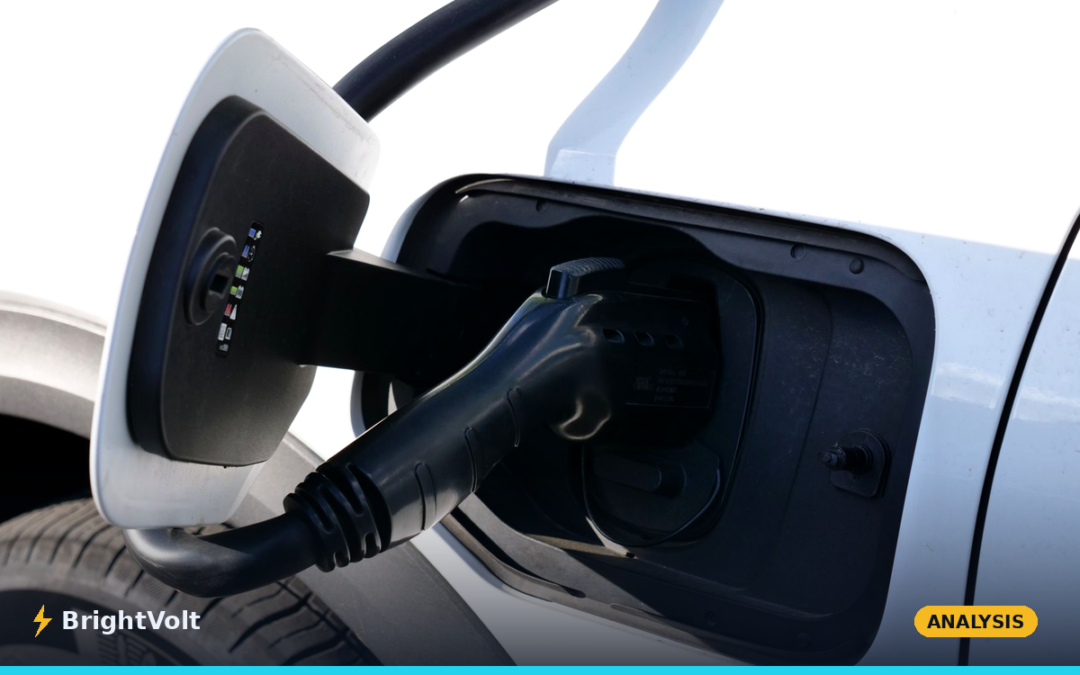
BYD’s new Denza N8L, launched on 14 September 2026, charges its 130 kWh pack from 10% to 70% in five minutes and to 97% in nine. That five-minute burst alone means roughly 900 kilowatts flowing into a single car. No public charger outside BYD’s own network delivers half that, and the reason is not the battery. It is the grid.
The Denza N8L is the most complete demonstration yet of the flash-charging arms race China’s carmakers have been running all year: a 130.15 kWh second-generation Blade pack, an 800-volt architecture, 960 km of CLTC range, and a charge time that finally beats a petrol fill on the clock. The headline number is real. What almost every write-up skips is the machine on the other end of the cable, and what it takes to make nine minutes happen.
Why a nine-minute charge is really a megawatt problem
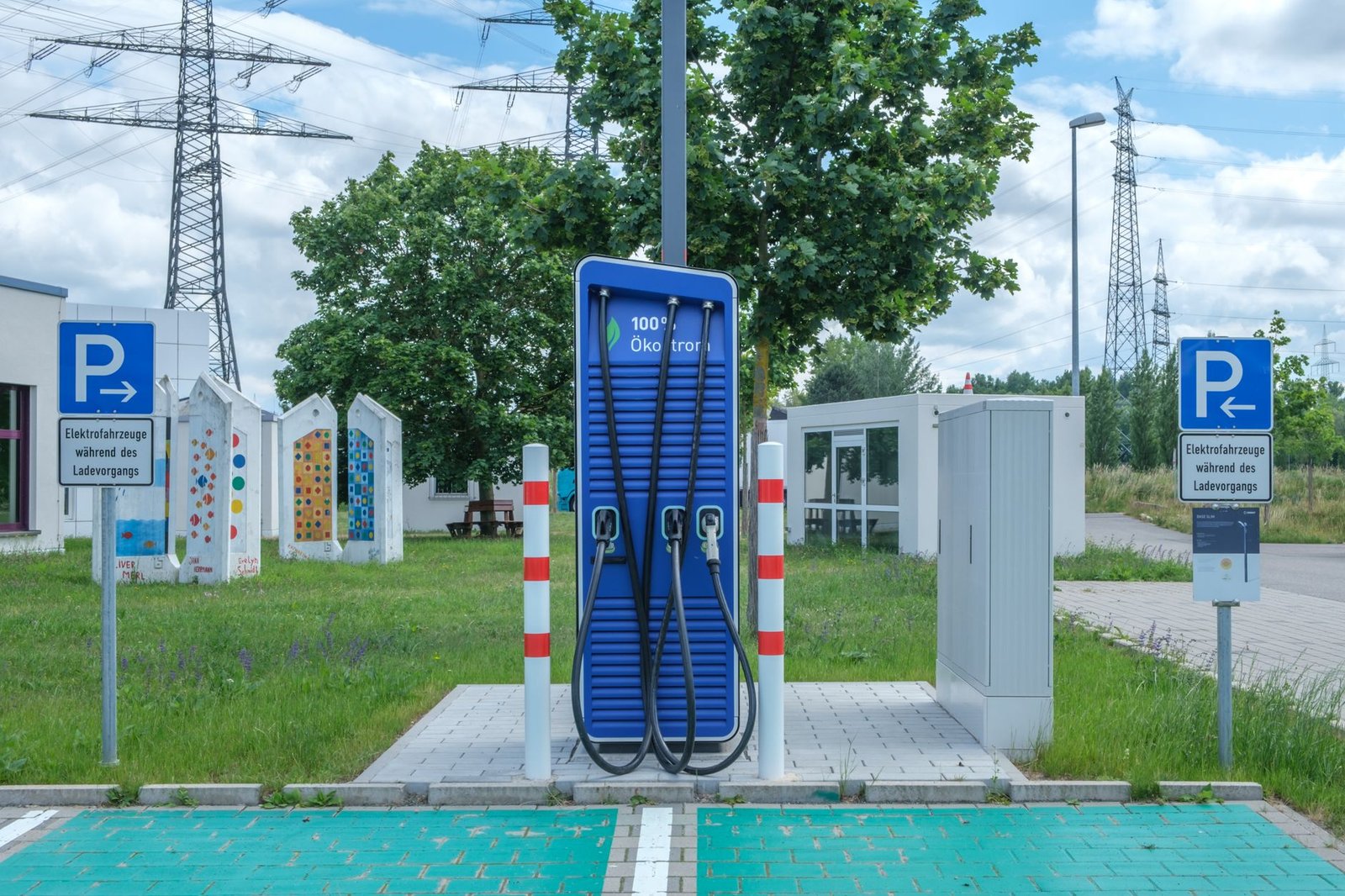
Filling most of a 130 kWh battery in the time it takes to buy a coffee means moving energy at a rate almost nobody’s wiring is built for. Ten to seventy per cent of the Denza’s pack is about 78 kWh delivered in five minutes — an average near 940 kW, with the peak higher still. BYD’s own Super e-Platform, unveiled in March 2025, put a round number on the ambition: 1,000 volts, 1,000 amps, 1,000 kilowatts, and 400 km of range added in five minutes. One megawatt into one car.
A megawatt is roughly what 700 homes draw at once. Pull that through a standard commercial grid connection and you either trip the supply or pay to upgrade the transformer, the cabling and the substation feeding it — the transformers that are already on multi-year lead times across most of the world. This is the wall the megawatt-charging problem always runs into: the cell will take the current long before the local grid will give it.
What BYD actually built
BYD’s answer is not a bigger grid connection. It is a battery.
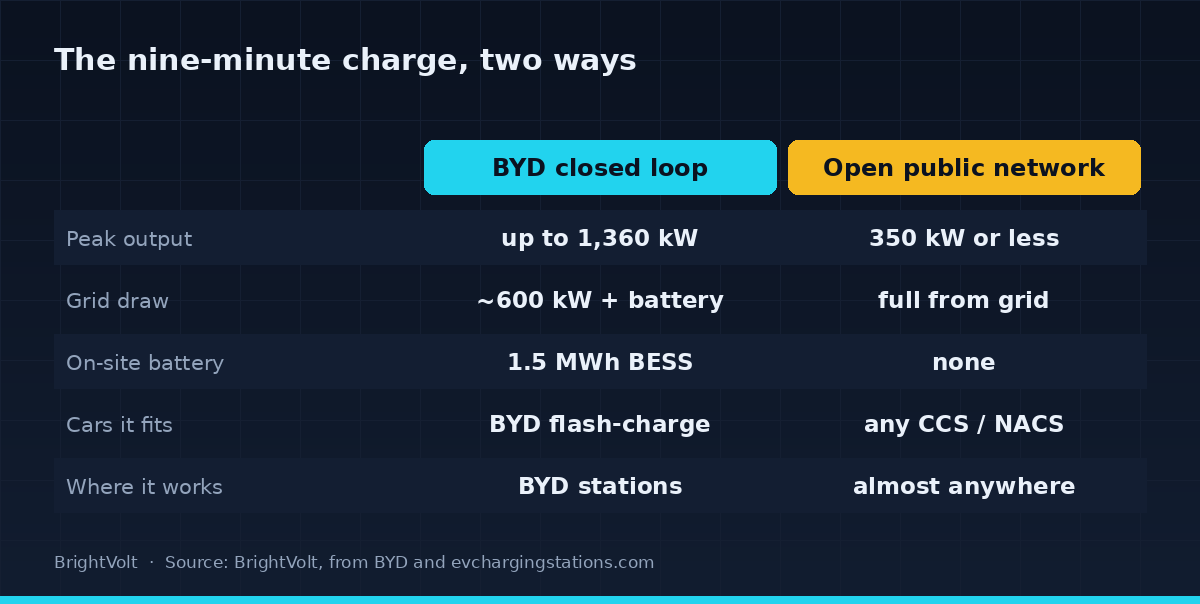
A technical breakdown of BYD’s second-generation flash charger shows a system rated at 2,100 kW of total output, up to 1,360 kW per charging point — yet it draws only about 600 kW from the grid, through a modest 380-volt, 896-amp input. The gap between what it takes from the grid and what it pushes into the car is bridged by 1.5 MWh of on-site battery storage, split across two cabinets. The charger sips power from the grid all day at a rate the connection can handle, banks it, and then dumps it into a car in a five-minute burst the grid could never supply directly.
It is an elegant piece of engineering, and it is also a tell. The behind-the-meter battery does the same job at a charging site that a home battery does behind a meter: it decouples the rate you can draw power from the rate you want to use it. BYD has effectively conceded that the grid cannot deliver flash charging, and has priced a stationary battery into every charger to work around it. That battery is not free, and it is why these are dedicated stations rather than a firmware update to the pump down the road.
The rest of the world’s chargers are nowhere near this
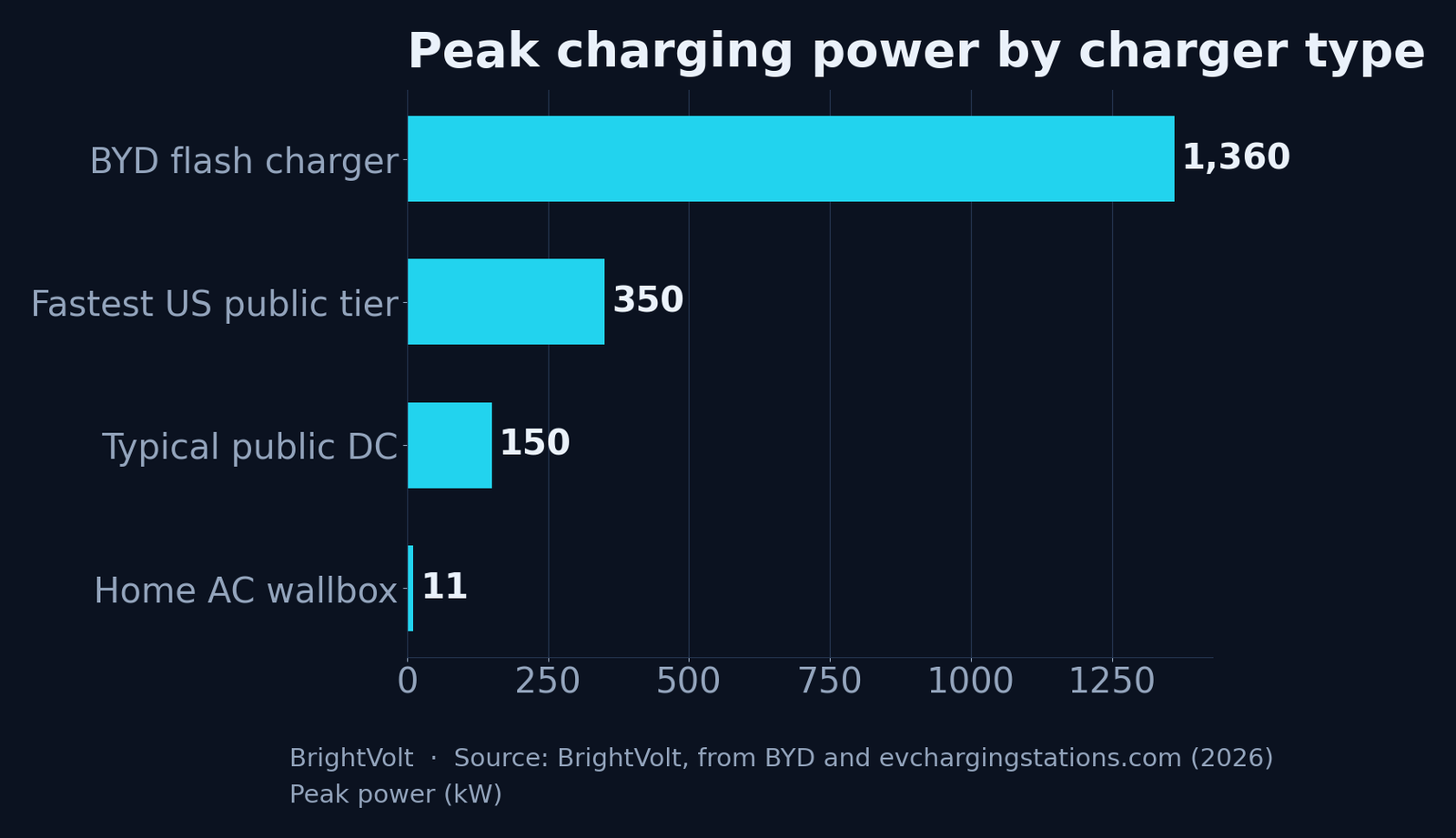
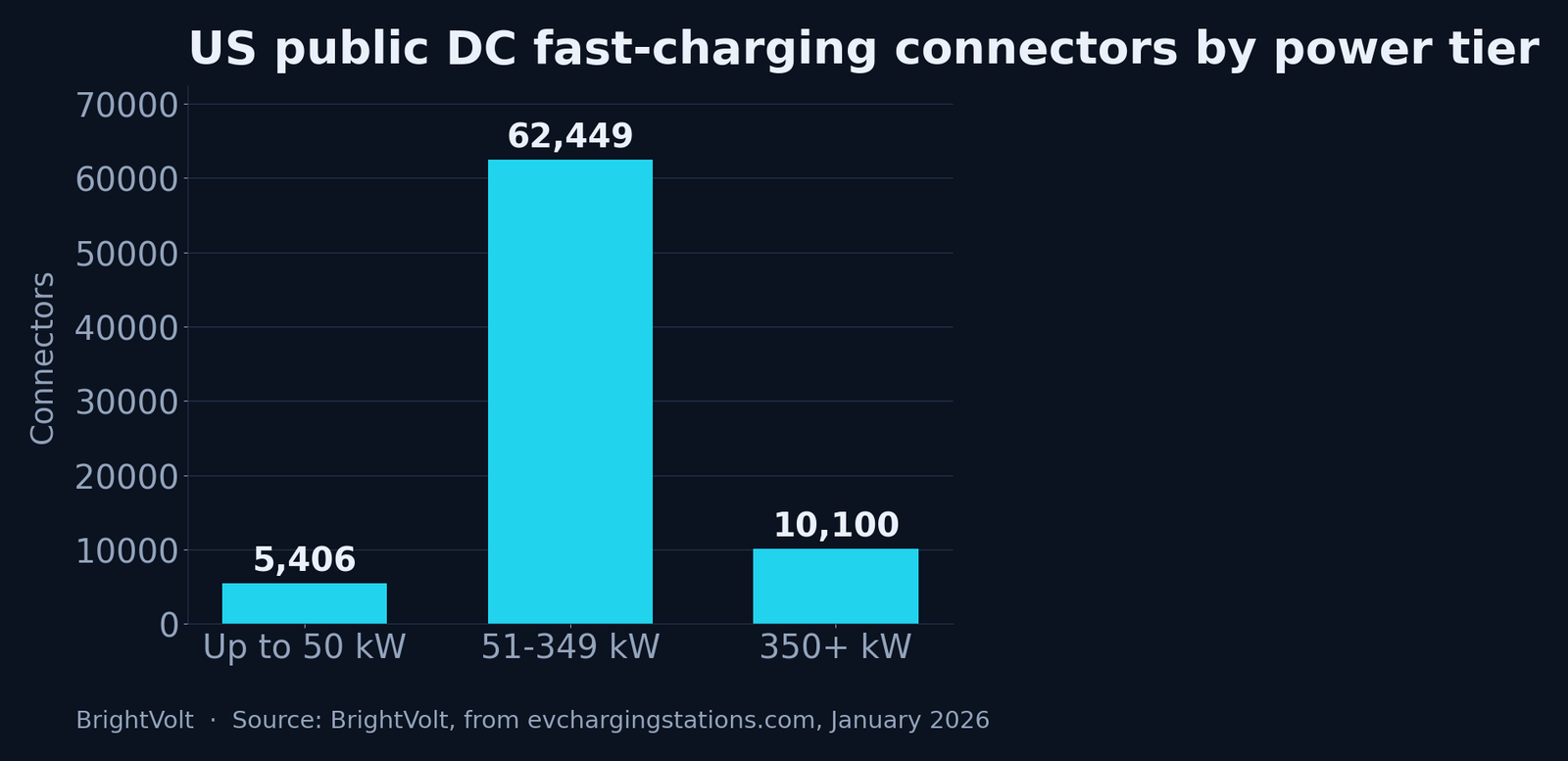
The gap between the spec and the infrastructure is not subtle. At the start of 2026 the United States had about 77,700 public DC fast-charging connectors. Only around 10,100 of them — 13% — could deliver 350 kW or more. Fully 81% sat between 51 and 349 kW, and the fastest tier that exists in volume, 350 kW, is less than a quarter of BYD’s megawatt claim.
| Charger type | Peak power | Grid draw | On-site battery |
|---|---|---|---|
| BYD flash charger (Gen 2) | up to 1,360 kW | ~600 kW | 1.5 MWh |
| Fastest US public tier | 350 kW | full from grid | none |
| Typical public DC charger | ~150 kW | full from grid | none |
| Home AC wallbox | ~11 kW | full from grid | none |
So the nine-minute charge exists, but only where BYD has built the car, the charger and the buffer battery together. BYD says it is rolling out 20,000 flash-charging stations in China during 2026, and has detailed a 1,500 kW network of 6,000 stations outside China by 2027, every one of them with battery support built in. In August, Sinopec began ripping gas pumps out of forecourts to install them. This is a closed loop: BYD’s cars charge in nine minutes at BYD’s stations, and the megawatt number is as much a statement about vertical integration as about chemistry.
What the spec sheet is really telling you
Read the launch coverage and the story is a battery that charges in nine minutes. Read the charger spec and the story is different: the cell has not been the bottleneck for a while. The C-rate the pack can accept has outrun everything downstream of it — the connector, the grid connection, the substation. BYD’s fix is to move a battery to the charger’s side of the problem, which works beautifully and scales expensively, one buffered station at a time.
That has two consequences worth watching. First, a “megawatt charging” spec on a car tells you almost nothing about how fast you will actually charge unless you also own the map of stations that can feed it — and for now that map is one manufacturer’s. Second, the honest version of the fast-charging future is not a grid that suddenly delivers megawatts on demand. It is a landscape of chargers with their own batteries inside, shifting load off a grid that was never going to keep up. The nine-minute charge is here. It just brought its own power station.
What would change this read: a non-proprietary megawatt standard that fills quickly on open networks, or grid connections cheap and fast enough that the buffer battery stops being necessary. Neither is close. Until then, the number on the spec sheet and the number at the plug will keep telling two different stories.
Photo by Giant Asparagus on Pexels · Photo by Reinhard Bruckner on Pexels