Oct 10, 2026 | Battery Technology, Home Electrification, Renewable Energy
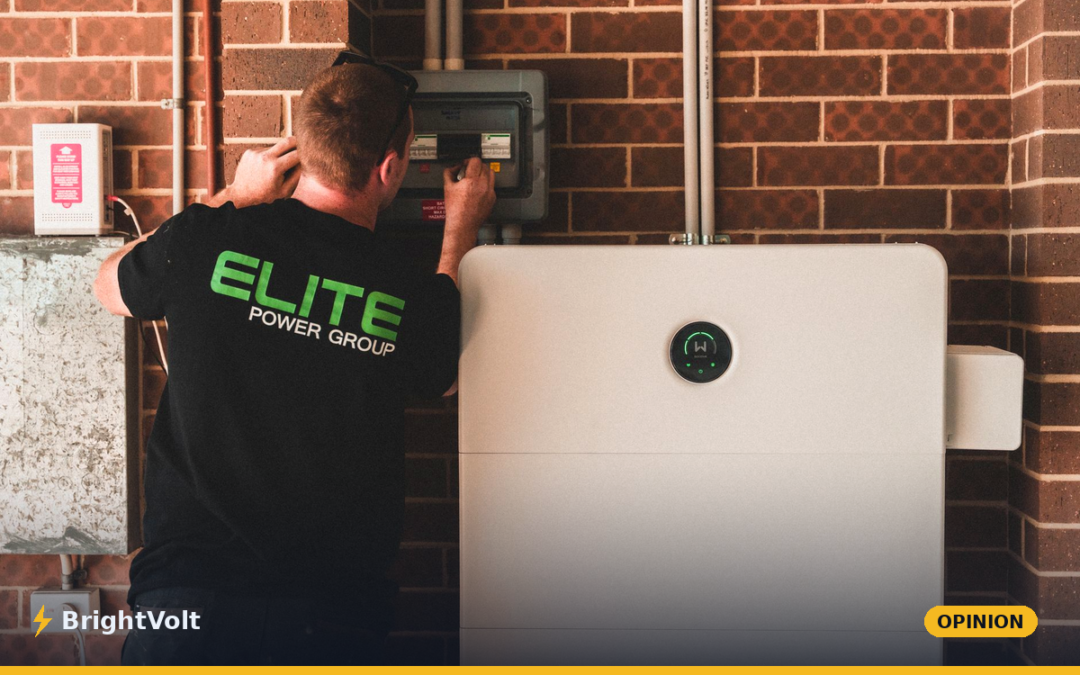
The median home battery installed in America in 2025 could push 11.4 kilowatts — nearly double the 6 kilowatts of a year earlier — while holding exactly the same 13.5 kilowatt-hours it held in 2024. Buyers did not ask for a bigger tank. They asked for a stronger...
Oct 10, 2026 | Battery Technology, Charging & Infrastructure
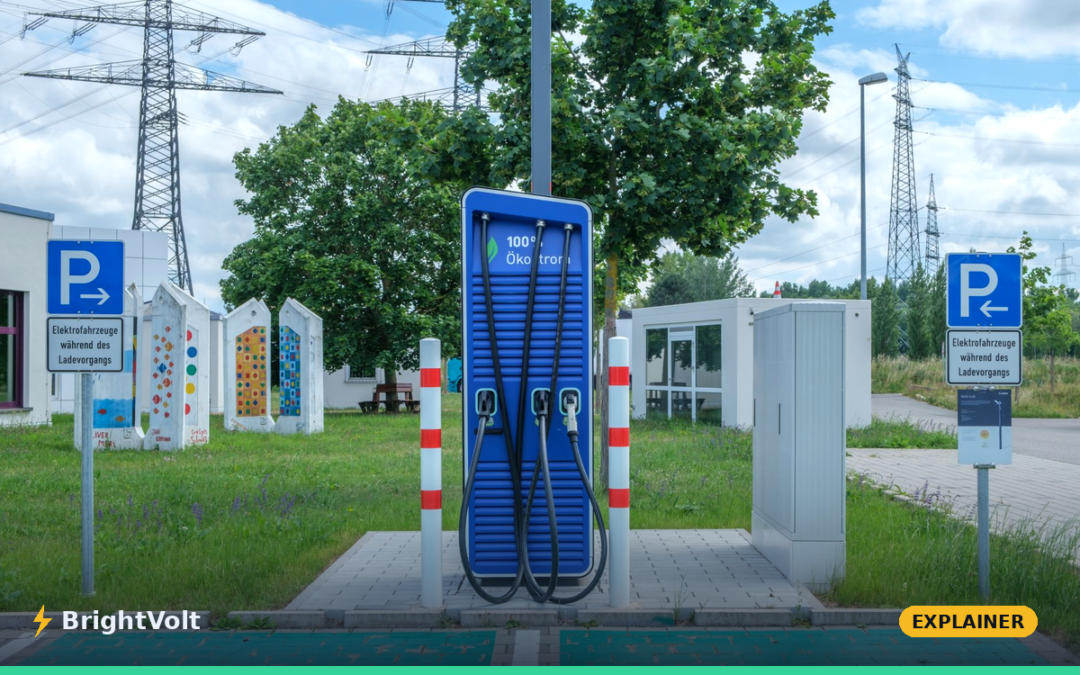
A battery-buffered fast charger has a battery pack built into the cabinet, so it can hand a car far more power than its grid connection supplies. FreeWire’s Boost Charger 200 delivers 200 kW from an electrical service rated at 27 kW. The 160 kWh battery inside...

Oct 5, 2026 | Battery Technology, e-Bikes, Electric Vehicles
An e-bike battery is sold on three numbers: voltage (V), amp-hours (Ah) and watt-hours (Wh). Multiply the first two to get the third — a 48-volt, 14-amp-hour pack holds 672 watt-hours — and watt-hours is the one that predicts how far you will ride. The number that...

Oct 5, 2026 | Battery Technology, Policy & Regulations, Renewable Energy, Smartgrids
Japan has roughly 170 gigawatts of grid-scale batteries waiting to connect to its power grid and under one gigawatt actually connected. The queue is larger than the country’s entire peak electricity demand, and more than 99 percent of it has never produced a...
Oct 4, 2026 | Battery Technology
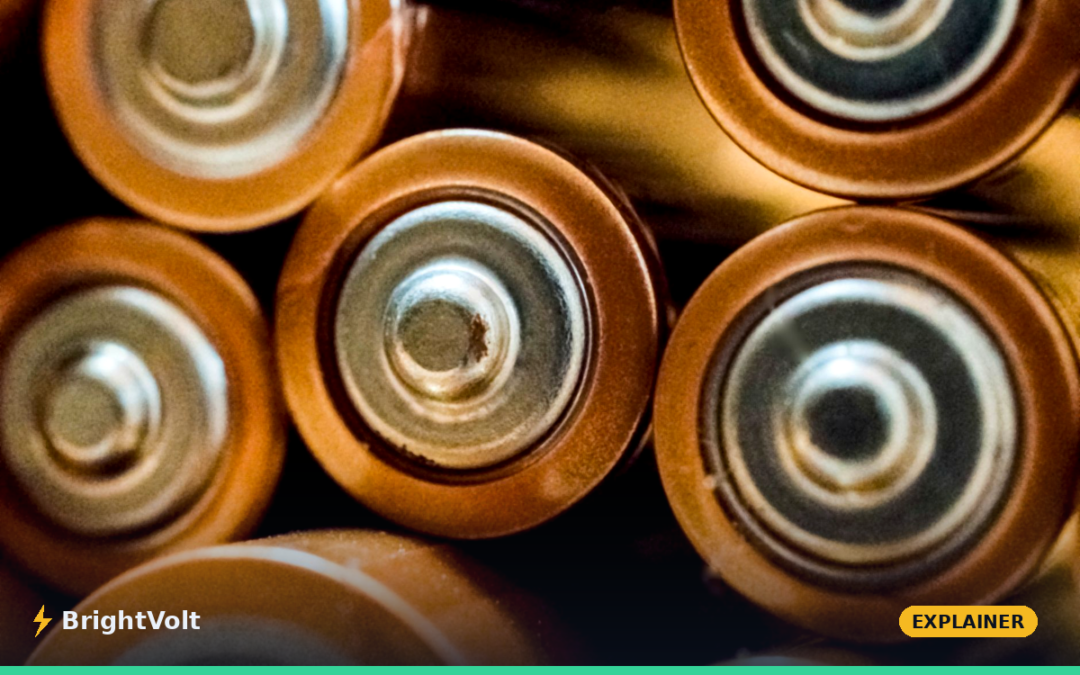
Almost every lithium battery takes one of three shapes: a cylindrical metal tube, a flat laminated pouch, or a rigid rectangular can called a prismatic cell. The choice is not cosmetic. It decides how tightly the cells pack into a battery, how they are cooled, how...
Oct 1, 2026 | Battery Technology, Policy & Regulations, Renewable Energy, Smartgrids
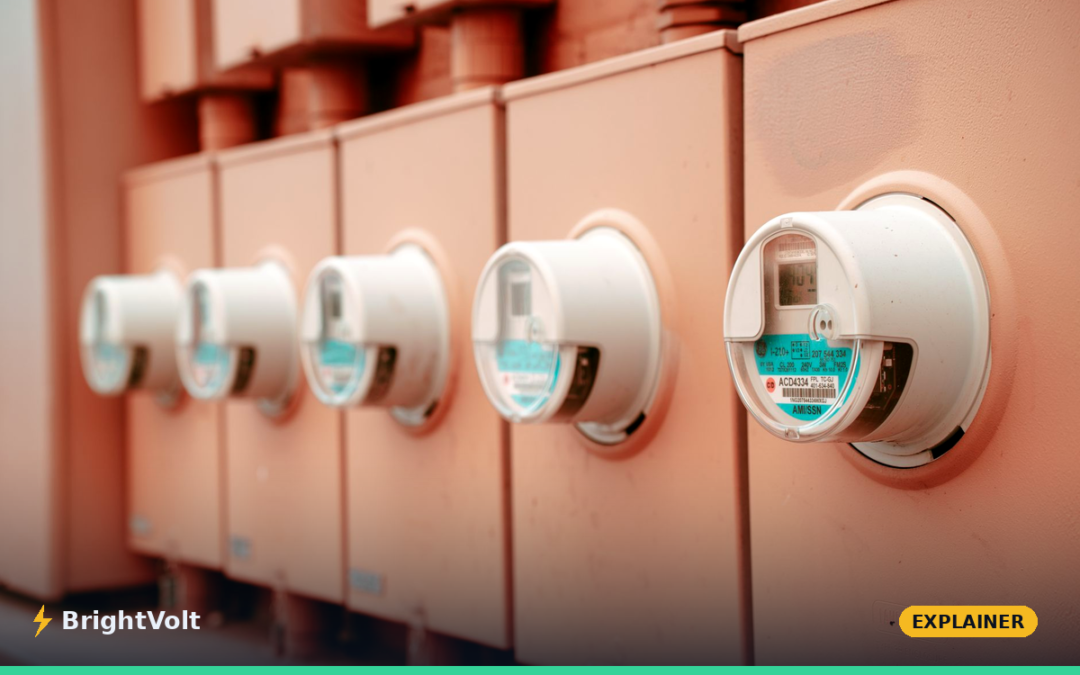
A demand charge is the part of a commercial electricity bill set by the single highest 15-minute burst of power a building draws in a month — not by how much electricity it uses over that month. It is billed in dollars per kilowatt of that peak, and for most medium...
