
Microgrids
A microgrid is a piece of grid that can run on its own when it has to. The case for one is rarely ideological: it is a hospital that cannot lose power, an island paying diesel prices, or a campus whose utility connection would take five years to upgrade.
We cover the configurations that work, the control systems that make islanding safe, and the economics that decide whether the resilience is worth the capital — which increasingly it is, as grid connection queues lengthen and outages grow more frequent.
Latest coverage
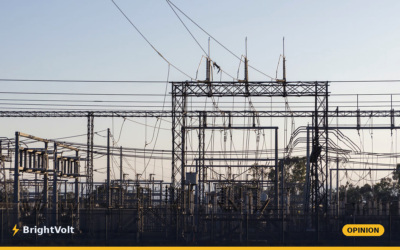
The BrightVolt Take: OpenAI’s 1 GW Grid Pledge Needs Its Hours
OpenAI will let Georgia Power cut up to 1,000 MW from its 3.2 GW campus, but the deal publishes no hours, events or notice. Duke data suggest those hours would be cheap to state.

India’s Battery Storage Boom Can’t Make Its Own Cells
India is tendering more than 400 GWh of grid storage and assembling packs at scale, but its factories make barely 2 GWh of cells a year – so the boom runs on imported Chinese cells.
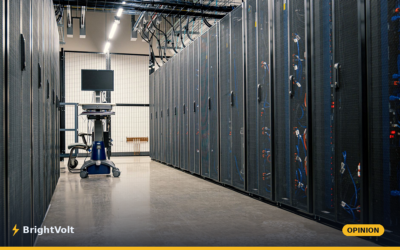
The BrightVolt Take: Gas Is Winning Behind the Meter
On the public grid, gas is a rounding error: 6.3 GW of 86 in 2026. But US data centres have quietly lined up ~90 GW of on-site gas that never enters the interconnection queue.
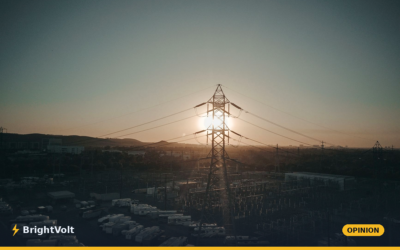
The BrightVolt Take: France’s Fix for Too Much Solar
France has hit a record ~800 hours of negative or zero power prices in 2026. Its answer isn’t more storage – it’s moving heat pumps, EVs and industry into the midday sun, by mandate.

The BrightVolt Take: Data Centers Pick Gas to Skip the Queue
US data centers are building 56 GW of their own power, about three-quarters of it gas. Not because gas beat solar and storage – because gas can skip a five-year grid queue holding 1,500 GW of cleaner power.
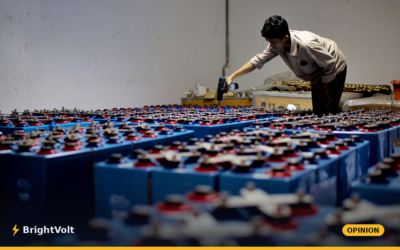
The BrightVolt Take: Storage’s GWh Record Hides a GW Stall
The US set a battery-storage record in Q2 2026 – 18.9 GWh – but installed power fell 7%. The fleet is getting longer, not bigger, and for the grid that distinction decides who keeps the lights on.
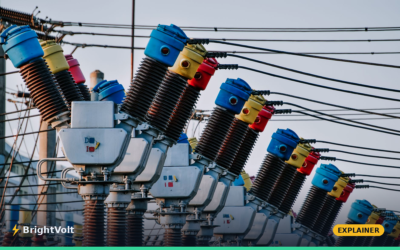
Load Factor: the Metric Behind Your Demand Charge
Load factor is average demand divided by peak demand: a data centre runs about 0.88, a restaurant 0.32. It is the number that decides how much of a power bill is demand charges – and what a battery can cut.

China’s Molten-Salt Bet: Solar That Runs After Dark
China just grid-connected a 1 GW solar plant that runs after dark, storing eight hours of heat in molten salt instead of lithium – the firming trick the West wrote off.
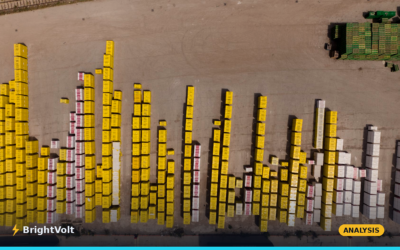
Australia’s Battery Revenue Halved. Then Came the Spike
New South Wales grid batteries earned an estimated AU$5.63m in two hours as prices hit AU$23,107/MWh — even as Australia’s quarterly battery revenue halved year-on-year.
Newsletter
Get Notified Of New Listings & Homeowner Tips
Divi Real Estate
There are many variations of passages of Lorem Ipsum available, but the majority have suffered alteration in some form, by injected humour
Contact
(923)-234-6788
Offices
4254 Divi St. San Francisco, CA
2354 Extra Blvd. San Jose, CA
