
Microgrids
A microgrid is a piece of grid that can run on its own when it has to. The case for one is rarely ideological: it is a hospital that cannot lose power, an island paying diesel prices, or a campus whose utility connection would take five years to upgrade.
We cover the configurations that work, the control systems that make islanding safe, and the economics that decide whether the resilience is worth the capital — which increasingly it is, as grid connection queues lengthen and outages grow more frequent.
Latest coverage

China’s Molten-Salt Bet: Solar That Runs After Dark
China just grid-connected a 1 GW solar plant that runs after dark, storing eight hours of heat in molten salt instead of lithium – the firming trick the West wrote off.
Australia’s Battery Revenue Halved. Then Came the Spike
New South Wales grid batteries earned an estimated AU$5.63m in two hours as prices hit AU$23,107/MWh — even as Australia’s quarterly battery revenue halved year-on-year.
South Africa Orders 4.6 GW of Batteries, No New Solar
South Africa’s first procurement off its new energy plan orders 4,600 MW of batteries and 5,000 MW of gas-to-power — and zero new wind or solar. The reason is a grid with too much power, not too little.

Must-Run Generation: the Fossil Floor That Spills Solar
A coal plant can’t switch off at midday – below about a third of its output it goes unstable. That must-run floor, not a lack of wires, is why a sunny grid spills solar instead of coal.
Japan’s Battery Grid Queue Hit 170 GW. Under 1 GW Is Built
Japan has 170 GW of grid-scale batteries queued to connect and under 1 GW actually connected. On October 1 the rules changed: prove you own the site in two months, or lose your place.

The Data Center Bill That Passed 417-3, Then Stalled
The House voted 417-3 to make big data centers pay their own grid costs; the Senate blocked it 57-43. Neither vote moves your bill – but state tariffs like Ohio’s already do.
Demand Charges: Why One 15-Minute Peak Sets Your Bill
A demand charge is set by your single highest 15-minute peak, not your total usage – and it can be 30-70% of a commercial power bill. Here’s the math, the ratchet trap, and the fix.
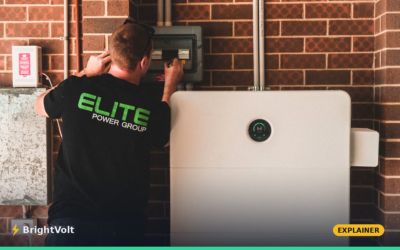
How 100-Hour Batteries Work: Iron-Air and Carbon-Oxygen
Iron-air and carbon-oxygen batteries store power for days and give back barely half of it. That inefficiency is the point: they cost a tenth of lithium per kWh, for a job lithium cannot do.
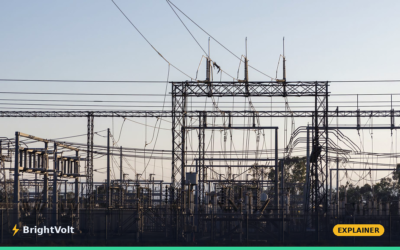
System Strength: The Grid Service Inverters Can’t Fully Fake
As grids fill with wind and solar they run short of system strength – the fault current that lets protection sense a fault. Why it happens, and why the fix is often a machine that generates nothing.
Newsletter
Get Notified Of New Listings & Homeowner Tips
Divi Real Estate
There are many variations of passages of Lorem Ipsum available, but the majority have suffered alteration in some form, by injected humour
Contact
(923)-234-6788
Offices
4254 Divi St. San Francisco, CA
2354 Extra Blvd. San Jose, CA
