
Microgrids
A microgrid is a piece of grid that can run on its own when it has to. The case for one is rarely ideological: it is a hospital that cannot lose power, an island paying diesel prices, or a campus whose utility connection would take five years to upgrade.
We cover the configurations that work, the control systems that make islanding safe, and the economics that decide whether the resilience is worth the capital — which increasingly it is, as grid connection queues lengthen and outages grow more frequent.
Latest coverage
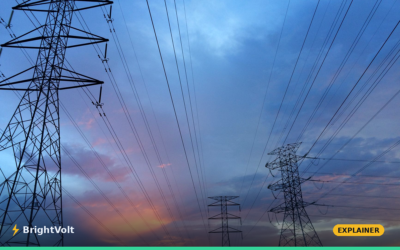
Scarcity Pricing and the ORDC, Explained
In an energy-only grid like Texas, no plant is paid just to exist. Scarcity pricing does that job: the ORDC adder lifts real-time power prices as reserves run low, toward a $5,000/MWh cap. Here is the mechanism.
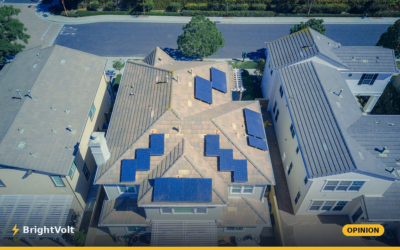
The BrightVolt Take: The VPP Dispatch That Beat Our Forecast
Sunrun and Tesla dispatched a record 580 MW from 140,000 home batteries. A month ago we pegged that fleet’s real output at 300 MW. We were too cautious – but 16.8 GW is still wrong.
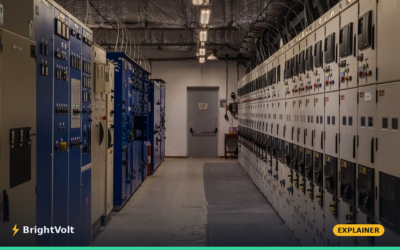
Energy-Only vs Capacity Markets: What Each Rewards
An energy-only market pays a plant only for the power it makes; a capacity market pays it again, years ahead, just to stay available — the design choice behind Texas’s battery boom.
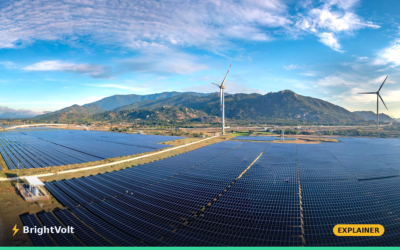
Renewable Curtailment: Why Grids Throw Away Clean Power
Curtailment is a grid deliberately spilling wind and solar it could have used. Why it happens, why the official rate can be a third of the real one, and how grids stop wasting it.
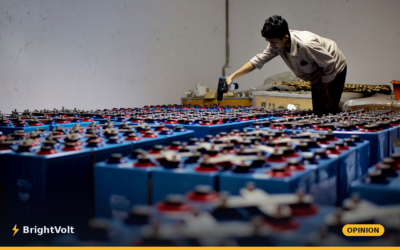
The BrightVolt Take: How Texas Out-Built California on Batteries
Texas has more grid batteries than California and built them faster, with no storage mandate and no capacity market. The lesson isn’t politics. It’s market design.
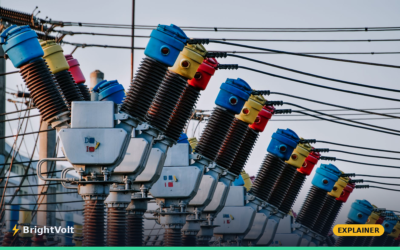
Grain-Oriented Steel: the Alloy the Grid Runs On
Nearly every transformer on the grid has a core of grain-oriented electrical steel – a 3%-silicon alloy the US makes at one mill. Why it’s so hard to replace, and why lead times now hit four years.
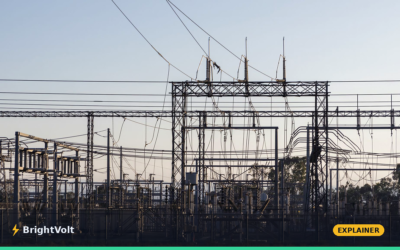
Interconnection Queues: The Clean-Energy Bottleneck
About 2,000 GW of power – more than the entire US fleet – waits in interconnection queues, and only 13% of projects ever connect. What the queue is, why it moves so slowly, and why Texas escapes it.
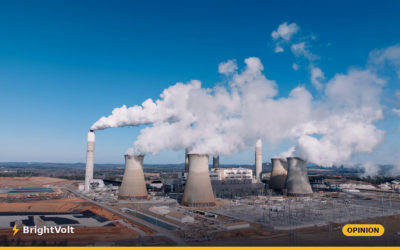
The BrightVolt Take: China’s Coal Is Contracted to Run
China curtailed an estimated 360 TWh of wind and solar in H1 2026 – more than its entire demand growth – while adding 30 GW of coal. The waste is a policy choice, not a grid limit.
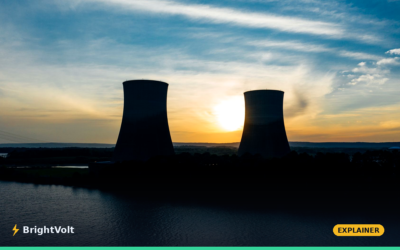
Capacity Factor: Why 1 GW of Solar Isn’t 1 GW of Gas
Capacity factor is the share of its nameplate a plant actually delivers – why nuclear makes 18% of US power from 7.7% of capacity, and why 1 GW of solar and 1 GW of gas are nothing alike.
Newsletter
Get Notified Of New Listings & Homeowner Tips
Divi Real Estate
There are many variations of passages of Lorem Ipsum available, but the majority have suffered alteration in some form, by injected humour
Contact
(923)-234-6788
Offices
4254 Divi St. San Francisco, CA
2354 Extra Blvd. San Jose, CA
