
Energy Policy and Regulation
Most of what determines whether a clean-energy project happens is decided before any engineering begins — subsidy design, auction rules, interconnection procedure, tariffs, and the price ratio between electricity and gas.
Policy coverage here is about mechanisms rather than politics: what a rule actually does, who it pays, and whether the stated goal and the observable effect point in the same direction. When a government declares an energy emergency and then pays developers to cancel capacity, that gap is the story.
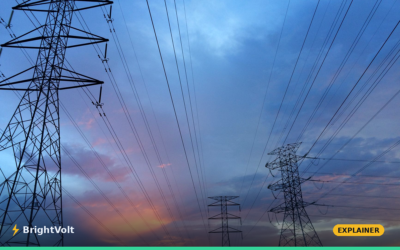
Scarcity Pricing and the ORDC, Explained
In an energy-only grid like Texas, no plant is paid just to exist. Scarcity pricing does that job: the ORDC adder lifts real-time power prices as reserves run low, toward a $5,000/MWh cap. Here is the mechanism.
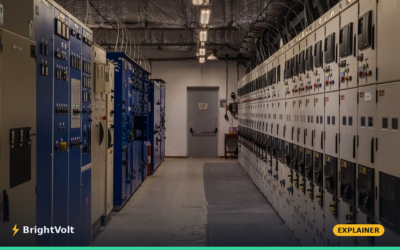
Energy-Only vs Capacity Markets: What Each Rewards
An energy-only market pays a plant only for the power it makes; a capacity market pays it again, years ahead, just to stay available — the design choice behind Texas’s battery boom.
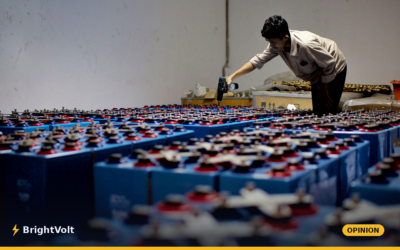
The BrightVolt Take: Korea’s $6bn Battery Catch-Up
South Korea is spending $6bn to leap to sodium and solid-state batteries. But its 2027 sodium target already trails a Chinese cell shipping in 2026 — the bet is aimed at the past.
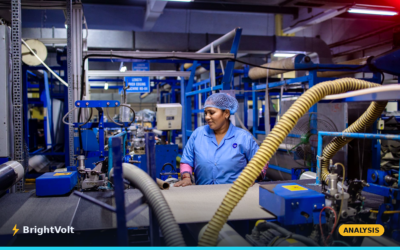
US Solar Modules Hit 100 GW. The Cells Are Imported
The US has built 100 GW of solar modules, most of it since the IRA. But module assembly is the easy step, and domestic cell capacity sits near 3 GW against 65 GW of module lines.
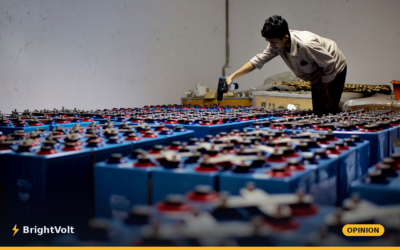
The BrightVolt Take: How Texas Out-Built California on Batteries
Texas has more grid batteries than California and built them faster, with no storage mandate and no capacity market. The lesson isn’t politics. It’s market design.
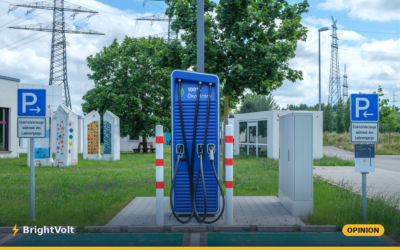
The BrightVolt Take: Europe’s 30% EV Month Is One Month
Headlines say European EV share hit a record 30.5% in August, beating every forecast. The official EU-wide figure is 20.7%, and the gap between them is the whole story.
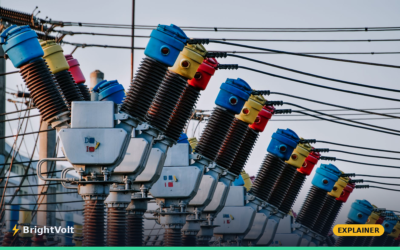
Grain-Oriented Steel: the Alloy the Grid Runs On
Nearly every transformer on the grid has a core of grain-oriented electrical steel – a 3%-silicon alloy the US makes at one mill. Why it’s so hard to replace, and why lead times now hit four years.
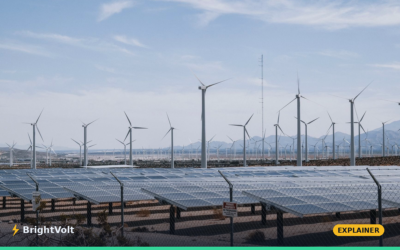
LCOE Explained: What the Cheapest-Power Number Leaves Out
LCOE is the most-cited number in energy and the most misused. It measures one thing — the lifetime cost of a new plant’s own output — and gets used to answer three questions it can’t.

The BrightVolt Take: China’s EV Plan Is a Shakeout
China’s new five-year plan targets 70% EV sales by 2030 – a number the market already hit at 65% in August. The line that matters is the first-ever capacity-warning system: Beijing is telling its car industry to stop building.
BrightVolt
News / Reviews/ Insights on all things Electric and alternative enegry
Contact
info@brightvolt.net
Advertising
Advertsing: ads@brightvolt.net
Public Relations: pr@brightvolt.net
Copyright © 2025 BrightVolt ®